 ultimate-guide
Restaurant Customer Retention: 7 Strategies That Work
Table of Contents
- Why Restaurant Customer Retention Matters More Than You Think
- Restaurant Loyalty Program Ideas That Actually Drive Repeat Visits
- How to Increase Repeat Customers Through Personalization
- Building Guest Engagement Through Direct Communication
- Benefits of Restaurant Membership Platforms for Long-Term Growth
- Measuring What Matters: Retention Metrics and KPIs
- Service Culture and Staff Training: The Hidden Retention Driver
- Creating a Feedback Loop That Strengthens Guest Loyalty
- Frequently Asked Questions
Last Updated: September 27, 2026
Why Restaurant Customer Retention Matters More Than You Think
Restaurant customer retention is the difference between a thriving independent restaurant and one that's constantly chasing new customers just to stay afloat. Most restaurant owners focus heavily on acquisition, getting people through the door for the first time. But here's what the numbers reveal: acquiring a new customer costs significantly more than keeping an existing one, and repeat diners spend more over their lifetime than first-time visitors ever will (The Value of Keeping the Right Customers).
The real problem isn't that restaurants don't understand retention matters. It's that they approach it with outdated tactics. A punch card on the counter or an email list collected haphazardly won't move the needle. What actually works is a deliberate strategy that combines the right loyalty mechanics with genuine personalization and consistent service.
The Regulars Club helps independent restaurants build systems that turn occasional diners into loyal regulars. The restaurants that succeed at customer retention share a common trait: they've stopped treating loyalty as an afterthought and started building it into their operational DNA.
Restaurant Loyalty Program Ideas That Actually Drive Repeat Visits
A loyalty program without clear value is just friction. Diners see it as extra work for unclear benefits. The programs that actually drive repeat visits make the reward immediately obvious and achievable.
Point-Based Rewards Systems
Point-based systems are the most straightforward loyalty mechanics. Customers earn points with every visit or purchase, and those points accumulate toward a specific reward, a free entrée, a discount, or a special menu item.
The key to making this work: set the point threshold low enough that customers can earn a meaningful reward within 5-7 visits. If it takes 20 visits to earn anything, most diners will abandon the program before hitting the target. A common approach is offering a free item after a certain number of visits. That's frequent enough to feel achievable, rare enough to feel valuable.
The second critical detail is redemption ease. If a diner has to ask, navigate a confusing menu, or deal with restrictions, they won't use it. The best point systems integrate directly into your POS so customers see their balance when they pay, and redemption is one button for staff.
Tiered Membership Tiers
Tiered programs create status and exclusivity. Bronze members get standard benefits. Silver members get better perks. Gold members get VIP treatment. This structure taps into something deeper than just discounts, it gives regular customers a sense of progression and recognition.
The mistake most restaurants make is setting tiers too high. A customer shouldn't need 50 visits to reach Silver status. A realistic structure involves different tiers based on visit frequency. At each tier, benefits should meaningfully improve, such as different discount levels, free items, or exclusive access.
Tiered systems work especially well for restaurants with diverse customer bases. A neighborhood pizzeria might have families as Bronze members, date-night couples as Silver, and local business groups as Gold. Each tier can receive tailored offers that match their dining patterns.
Exclusive Member Offers and BOGO Deals
The most effective loyalty programs include exclusive offers that non-members can't access. Buy-one-get-one deals are classic for a reason, they create urgency and increase check size. But the best member offers go deeper than just discounts.
Consider rotating monthly specials: members get a different exclusive dish or discount each month. This gives them a reason to check in regularly, not just when they're hungry. A wine bar might offer members 15% off a featured wine each month. A casual restaurant might feature a member-only appetizer special every other week.
The psychology here matters. Exclusivity feels better than a generic discount. A member who sees "Members Only: Free dessert on Thursdays" feels more valued than one who sees "10% off." Both might have similar monetary value, but the perception is entirely different.
How to Increase Repeat Customers Through Personalization
Generic loyalty programs treat all customers the same. The restaurants winning at customer retention personalize the experience based on actual dining behavior.
Collecting and Using Diner Preferences
Start by asking. When someone joins your loyalty program, ask about dietary preferences, favorite dishes, cuisine preferences, and occasion types (date night, family dinner, business lunch). Don't make it a long form, three to five questions maximum.
Then actually use that data. If someone marks themselves as a vegetarian, don't send them offers for your signature steak. If they prefer wine over beer, feature wine pairings in their communications. If they visit on Friday nights, time your weekend specials to reach them Friday afternoon.
The restaurants that excel at this integrate preference data into their POS system. When a regular customer walks in, staff can see their preferences on the check-in screen. It sounds simple, but knowing that a customer loves spicy food or always orders without onions changes the interaction. Staff can make better recommendations, and the customer feels genuinely known.
Targeted Marketing Based on Dining History
Once you have dining history, segment your communications. Customers who visit weekly should receive different offers than those who visit monthly. Customers who spend $50 per visit should see different promotions than those who spend $20.
A practical example: if someone hasn't visited in 45 days, send them a "we miss you" offer, maybe a free appetizer or 15% off. This reactivates lapsed customers before they drift to competitors. If someone visits every week, send them exclusive previews of new menu items or special events. If someone consistently orders high-ticket items, invite them to special events or wine pairings.
This approach requires tracking, but it's the difference between a generic email blast and a message that feels personally relevant. Customers respond better to offers that match their actual behavior.
Building Guest Engagement Through Direct Communication
Direct communication channels, email, SMS, in-app messaging, let you reach customers on their terms without relying on social media algorithms.
The restaurants using these channels effectively send fewer, more relevant messages. They're not blasting every customer with every offer. They're sending the right message to the right person at the right time.
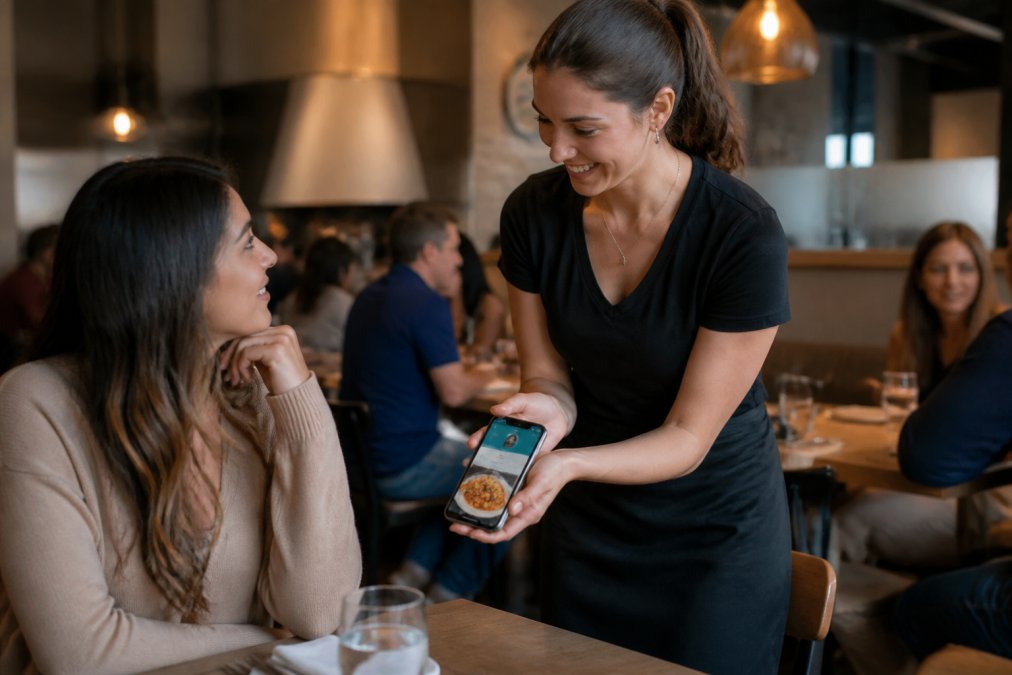
Email works best for advance notice of events, menu changes, or special promotions. SMS works for time-sensitive offers and quick check-ins. In-app messaging (if you have a mobile app or loyalty platform) works for real-time engagement during visits.
The key constraint: respect frequency. A customer who gets three promotional messages per week will unsubscribe. A customer who gets one targeted message every two weeks will actually read it. Quality over frequency always wins.
Benefits of Restaurant Membership Platforms for Long-Term Growth
A membership platform changes the economics of your restaurant business. Instead of relying solely on walk-in traffic and one-time visits, you build a predictable base of repeat customers who generate recurring revenue.
Creating Direct Customer Relationships
Membership platforms create a direct line to your customers that doesn't depend on social media platforms, email providers, or third-party marketplaces. You own the relationship.
This matters because algorithms change. Email inboxes get crowded. But a membership platform where customers actively engage because they're getting real value? That's yours to control.
The Regulars Club, for example, lets restaurants build member bases that customers check regularly for new offers and exclusive deals. Members see what's available at their favorite spots without having to hunt across multiple apps or platforms. For restaurants, this means direct visibility into member behavior, preferences, and visit patterns, data that's invaluable for making business decisions.
Reducing Customer Acquisition Costs
Repeat customers acquired through loyalty are cheaper than constantly chasing new diners. A new customer found through paid advertising or word-of-mouth might cost a significant amount in marketing spend. A repeat customer acquired through a loyalty program costs far less because they're already engaged.
More importantly, repeat customers spend more. A diner who visits once might spend a certain amount. The same diner who visits multiple times through a loyalty program might spend significantly more over the year, and they're more likely to visit more often if the experience is good.
This shifts your unit economics. Instead of needing constant acquisition, you're building a base of customers who visit regularly and spend predictably. That base becomes the foundation for sustainable growth.
Measuring What Matters: Retention Metrics and KPIs
You can't improve what you don't measure. The restaurants that excel at restaurant customer retention track specific metrics that actually indicate loyalty health.
Track repeat visit rate: what percentage of customers who visited in month one return in month two?
Service Culture and Staff Training: The Hidden Retention Driver
Here's what most loyalty program guides miss: no program survives bad service.
Creating a Feedback Loop That Strengthens Guest Loyalty
The final piece is listening. Customers who feel heard become more loyal.
Frequently Asked Questions
Why is customer retention more cost-effective than customer acquisition for restaurants?
Acquiring new customers costs significantly more than keeping existing ones. Repeat diners spend more over time, refer friends, and require less marketing spend to attract. By focusing on restaurant customer retention, you build sustainable revenue from a smaller base of loyal guests who visit frequently and spend more per visit than first-time customers.
What metrics should restaurant owners track to measure retention?
Track repeat visit frequency, customer lifetime value, churn rate, and average spending per guest. Monitor how often members return within 30, 60, and 90 days. Use these retention rates to identify which loyalty program ideas are working and which need adjustment. Restaurants using membership platforms can measure redemption rates and member engagement to refine offers.
How does a loyalty platform improve restaurant customer retention?
A membership platform automates rewards, personalizes offers based on diner preferences, and creates direct communication channels. Members receive exclusive benefits and feel recognized, increasing emotional connection to the restaurant. The platform tracks guest data, enabling targeted marketing and menu engineering. This combination of convenience, personalization, and exclusive perks drives higher repeat visit rates and customer lifetime value.
What's the difference between a loyalty program and a membership program?
Loyalty programs reward frequent customers with points or discounts after purchase. Membership programs charge an upfront fee and provide exclusive access to perks and benefits. Membership programs create stronger commitment and direct relationships because members feel they belong to an exclusive group. For restaurants, membership platforms often deliver better retention because members are pre-committed and feel they must get value from their membership.