 How-to
7 Steps to Host Restaurant Influencer Tasting Events
Last Updated: November 11, 2026
Quick Summary
Hosting a restaurant influencer tasting means setting one measurable goal, inviting local creators whose audiences actually eat nearby, and sending personalized invites at least four weeks ahead. Plan the format around your room and kitchen capacity, put deliverables and FTC disclosure terms in writing, then track each creator's posts and tracked visits for 30 days.
- Pick one primary goal with a number and deadline, such as 15 posts within two weeks.
- Creators in the 5,000 to 50,000 follower range often deliver the best results for restaurants.
- Match the event format to your space, since a 30-seat dining room cannot host 60 guests.
- Send invites at least four weeks before the event and personalize the first line.
- Track results for 30 days and use platform-reported reach, not follower counts.
Table of Contents
- Set Your Goal and Build the Guest List First
- Restaurant Influencer Event Ideas That Fit Your Space
- The Food Influencer Outreach Email Template That Gets Replies
- Set the Budget, Compensation, and Disclosure Terms
- Your Restaurant Tasting Event Checklist for Event Night
- Measuring Restaurant Influencer Campaign Results After the Event
- Turn Influencer Guests Into Regulars With a Membership Offer
- Frequently Asked Questions
Set Your Goal and Build the Guest List First
Most restaurant influencer tasting events fail before the first plate hits the table. The problem is not the food. It is a guest list built on follower counts instead of fit.
A restaurant influencer tasting is a hosted menu preview for local content creators, food bloggers, and media guests. The goal is simple: get authentic content and word-of-mouth from people whose audience actually eats where you cook.
Define What Success Looks Like
Pick one primary goal before you invite anyone. Common targets:
- Content volume: 15 posts across Instagram and TikTok within two weeks
- Reach: total combined audience of 25,000 local followers
- Foot traffic: 30 tracked visits from a unique code or tagged link
One goal keeps the event focused. Two is workable. Four means you have none.
Write the goal down with a number and a deadline, and share it with the staff member who will own tracking. A goal that lives only in the owner's head becomes a vibe, not a target.
Pick Creators by Audience Quality, Not Follower Count
A creator with 8,000 engaged local followers beats one with 90,000 scattered across the country. Follower count is a vanity metric; the questions that matter are who is watching, whether they act, and whether the creator's content style fits your room.
Run every candidate through five checks before you send an invite:
- Local audience share. Open their profile and scan the comments on their last ten posts. Are the commenters from your metro area? Do the posts reference neighborhoods, local venues, or regional food? A rough target is at least 60% local audience; if you cannot tell from public signals, ask the creator for a screenshot of their audience geography from Instagram or TikTok insights.
- Engagement quality, not rate alone. A 2% engagement rate built on saves and substantive comments ("what's the address," "adding this to my list") outperforms a 6% rate built on emoji replies and giveaway threads. Read the comments; if they are all "🔥🔥🔥" or contest entries, the audience is not shopping for dinner.
- Content style fit. Do they shoot food close-ups, table spreads, or personality-led vlogs? A creator whose feed is all fashion hauls will not suddenly produce a compelling dish video, and their audience will not care. Match the format you want to the format they already make.
- Brand safety and history. Scroll back six months. Look for anything that would embarrass you if it appeared next to your restaurant: aggressive callout content, undisclosed ads, complaints from other restaurants, or a pattern of negative reviews. A creator who trashes local businesses for engagement is a liability, not an asset.
- Reliability signals. Do they post consistently, or in long gaps? Have they tagged other local restaurants recently? A creator who has not posted in two months may accept the invite and never deliver.
According to 5WPR's guidance on local restaurant influencers, creators in the 5,000 to 50,000 follower range often deliver the best results for restaurants. That range is large enough to matter and small enough to stay local.
Build a Balanced Guest List
Aim for a mix rather than a stack of similar accounts. A workable pattern is:
- Two or three mid-tier local food creators (10,000 to 50,000 followers) for reach
- Three to five micro-creators (1,000 to 10,000) for authentic, high-engagement content
- One or two local media or newsletter writers for credibility and evergreen coverage
Keep the total guest count matched to your kitchen's capacity, and remember that each creator may bring a plus-one. A list of 12 creators can become 24 seats fast.
Watch out: inviting only your friends' accounts or the same five creators every competitor uses produces a feed that looks like everyone else's; the audience notices repetition and engagement drops.
Restaurant Influencer Event Ideas That Fit Your Space
Match the format to your room, your kitchen capacity, and your budget. A 30-seat dining room cannot host a 60-person cocktail party, and a busy Friday service is not the night for a chef's table demo.
| Format | Best For | Guest Count | Kitchen Load |
|---|---|---|---|
| Sit-down tasting menu | Full menu showcase | 8-12 | Medium |
| Walk-around tasting | Bars, large rooms | 20-40 | High |
| Chef's table demo | Signature dish launch | 6-10 | Low |
| Cocktail and bites hour | New drink menu | 15-25 | Low |
| Menu launch preview | Seasonal changes | 10-20 | Medium |
Guest Count
Food-driven experiences are a real draw. SevenRooms' restaurant event research found that 51% of diners look for food-driven experiences like tastings and specials, and 58% of diners aged 21 to 28 look for live music.
The Food Influencer Outreach Email Template That Gets Replies
Send invites at least four weeks before the event. Burger Conquest's restaurant influencer event guide recommends planning at least four weeks ahead, and that timeline holds up in practice.
Here is the template we would use:
Subject: You're invited: [Restaurant] tasting night on [date]
Hi [Name],
We love your [specific post or series] and think your audience would enjoy our [cuisine] menu.
We're hosting a small tasting event for [8-12] local creators on [date] at [time]. You'll try [3-4 dishes] from our new menu, plus cocktails.
What we're asking: one post or short video within a week, tagging [@handle] and using [#hashtag].
What we're offering: the full tasting for you and a guest, plus [compensation or gift card amount].
Interested? Reply by [date] and we'll send the details.
[Name], [Restaurant]
Personalize the first line. Generic invites get ignored.
Set the Budget, Compensation, and Disclosure Terms
A realistic budget covers food cost, drinks, compensation, and a small buffer. Pricing depends on your menu, headcount, and whether you offer paid compensation or in-kind only.
Put these terms in writing before the event:
- Deliverables: exact post count, platform, and deadline
- Compensation: cash, gift card, or in-kind meal, stated clearly
- Disclosure: creators must mark paid partnerships per FTC endorsement guidelines
Watch out: skipping the disclosure line is the mistake that gets restaurants in trouble. The FTC requires clear disclosure of paid endorsements, and a verbal "just mention us" does not cover it.
Your Restaurant Tasting Event Checklist for Event Night
Run the night from a printed checklist and a written run of show. Assign one staff member as the creator liaison so servers are not answering the same questions all night.
- Confirm all attendees 48 hours out
- Print the run of show with times for each course
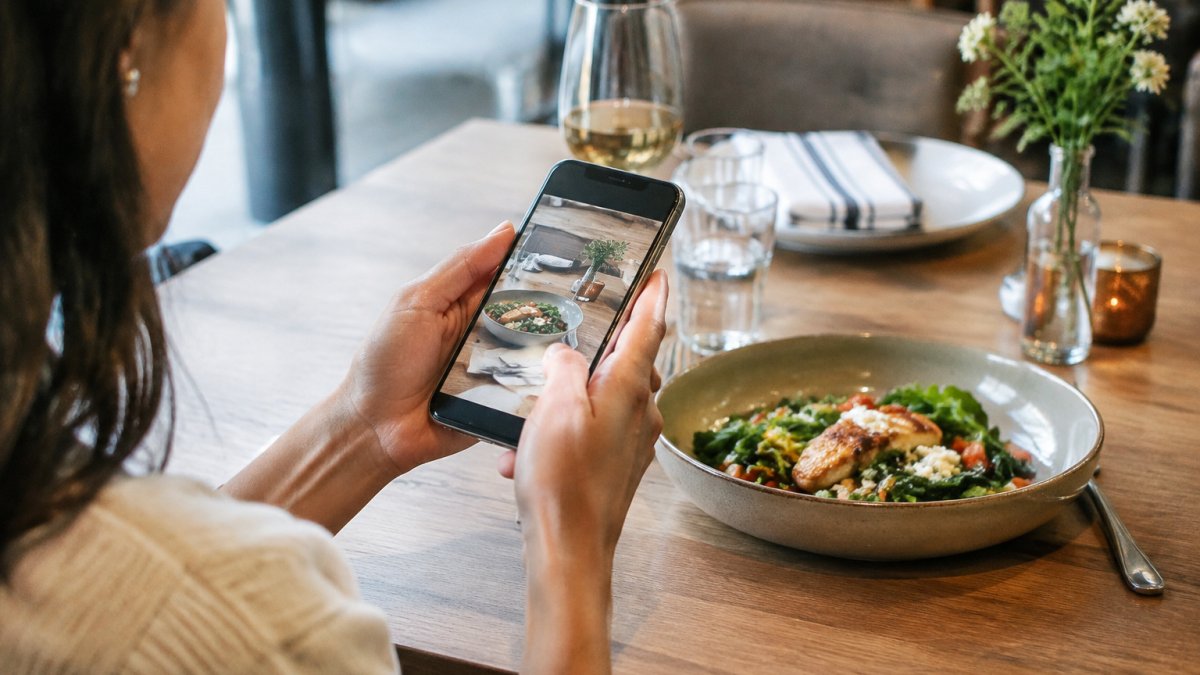
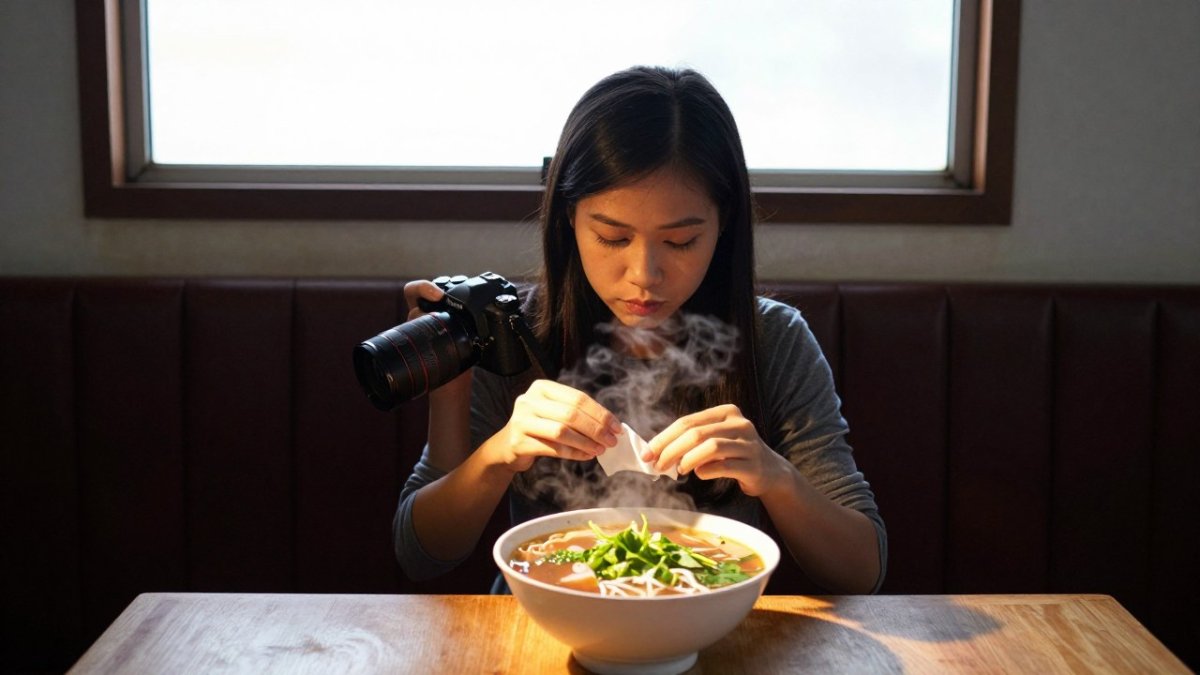
- Stage the first photo moment near the entrance
Accessibility and dietary needs belong on this list too. Ask about allergies and mobility needs in the RSVP, and confirm the venue entrance and restrooms work for every guest.
Measuring Restaurant Influencer Campaign Results After the Event
Track results for 30 days, not 3. Content often posts late, and the traffic tail matters more than the launch spike. The goal of this section is a repeatable report you can hand to an owner or investor, not a vibe check.
Set Up Tracking Before the Event
You cannot measure what you did not instrument. Before event night, put these in place:
- A unique code or tagged link per creator. Use a short link or a promo code tied to each attendee so you can attribute visits and redemptions to a specific person. A single shared code tells you the event worked but not who drove it.
- A dedicated landing page or menu link. Point all creator links to one page so you can see total traffic and time on page, and compare it against your normal menu page.
- A staff prompt at the host stand. Ask every guest for two weeks after the event how they heard about you, and log the answers. Verbal attribution catches the people who saw a video and walked in without tapping a link.
The Metrics That Matter
Measure these numbers per creator and in total:
- Posts delivered versus posts promised. A creator who promised two posts and delivered one is a data point about reliability, not just a missed deliverable.
- Reach. Use the platform's own reach figure from the creator's insights screenshot, not follower count. Reach is what actually saw the content.
- Engagement. Count comments, saves, and shares separately. Saves and shares signal intent; likes do not.
- Tracked visits. Redemptions of the unique code plus clicks on the tagged link, deduplicated so one person is not counted twice.
- Attributable revenue. Multiply tracked visits by your average check, or pull actual revenue from the POS if the code is tied to a coupon button. Compare that figure against total event cost (food, drinks, staff time, compensation, and any gifts) to get a return multiple.
Read the Results Honestly
A common pattern is a strong launch spike followed by a long, thin tail. Sort creators into three buckets: those who drove tracked visits, those who drove reach but few visits, and those who delivered neither.
Watch out: counting a creator's follower count as "reach" inflates the report and hides which posts actually moved people; always use platform-reported reach and tracked visits side by side.
Report and Follow Up
Send each creator a short thank-you note within a week of their post, and include their own performance numbers if you have them.
For a deeper walkthrough of the return calculation, see our guide on how to measure restaurant marketing ROI. If you are weighing whether the content itself was worth it, read is user-generated content worth it for restaurants.
Turn Influencer Guests Into Regulars With a Membership Offer
The event ends. The content fades. What lasts is the relationship, and the smartest move is converting those guests into repeat diners.
A membership offer gives creators and their audiences a reason to come back. The Regulars Club lets restaurants build a loyalty program without replacing their existing POS.
For creators, the pitch is easy: join, get perks, keep posting. A Restaurant Membership Program like this also doubles as a customer retention tool, turning one-night tasting guests into a steady base of regulars. Our guide on building a restaurant VIP program covers the structure, and you can see how The Regulars Club connects diners with local restaurants to plan the offer.
Hosting a restaurant influencer tasting event takes planning, but the payoff is real: content you did not have to shoot, reach you did not have to buy, and guests who may become regulars.
Frequently Asked Questions
How much do restaurants pay food influencers for a tasting event?
Pay depends on the creator's reach, the deliverables you request, and whether you offer a paid fee or a hosted meal with a smaller stipend. Put the fee, deliverables, and posting deadlines in a simple written agreement before the event so both sides know exactly what is expected.
How do you invite food influencers to a restaurant tasting event?
Send a short personalized email at least four weeks ahead, which matches the planning window recommended in restaurant event guides. Name the creator's specific post or niche you admire, state the date, time, and format, and explain what you are offering and what you hope they will share. Include a one-page rundown of the menu and any signature dishes. Follow up once after five business days, then move on if there is no reply.
How do restaurants measure the results of an influencer tasting?
Track three layers: content output, reach, and actual visits. Count posts, stories, and tags, then review engagement and saves rather than likes alone. Give each creator a unique promo code or tagged link so you can tie redemptions back to the event. Compare covers and average check on event night and the two weeks after against the same period last month.
What should a restaurant include in an influencer tasting event?
Build the night around your signature dishes and any new menu items you want photographed. Offer small plates rather than a full dinner so creators can taste more and shoot more. Add one staged photo opportunity, such as a cocktail pour or a chef's presentation, and keep the run of show to about two hours. Ask about dietary needs and accessibility when you confirm attendance, and brief staff on seating, timing, and how to describe each dish.