 how-to
How to Increase Restaurant Sales: 7 Proven Strategies
Table of Contents
- How to Increase Restaurant Sales: 7 Proven Strategies
- 1. Master Upselling Techniques for Servers
- 2. Implement Restaurant Menu Engineering Tips
- 3. How to Increase Average Check Size Without Alienating Guests
- 4. Build Customer Loyalty With a Restaurant Loyalty Program
- 5. Optimize Table Turnover and Operational Efficiency
- 6. Expand Off-Premise Sales and Direct-to-Consumer Channels
- 7. Use Data to Drive Sales Growth Decisions
- Frequently Asked Questions
Last Updated: September 28, 2026
How to Increase Restaurant Sales: 7 Proven Strategies
Restaurants that focus on turning casual diners into regulars see measurable growth in revenue and customer lifetime value. The difference between a restaurant that merely survives and one that thrives often comes down to deliberate strategies that increase customer spending, frequency, and loyalty. This guide covers seven proven approaches to increase restaurant sales, from training your staff to using data-driven decisions.
At The Regulars Club, we work with independent restaurant owners every day who are looking to boost their bottom line without overhauling their entire operation. These strategies work because they address the core drivers of restaurant profitability: higher check averages, repeat visits, and operational efficiency.
1. Master Upselling Techniques for Servers
Upselling isn't about pushing expensive items on unwilling customers. It's about helping guests discover menu items they'll actually enjoy and remember.
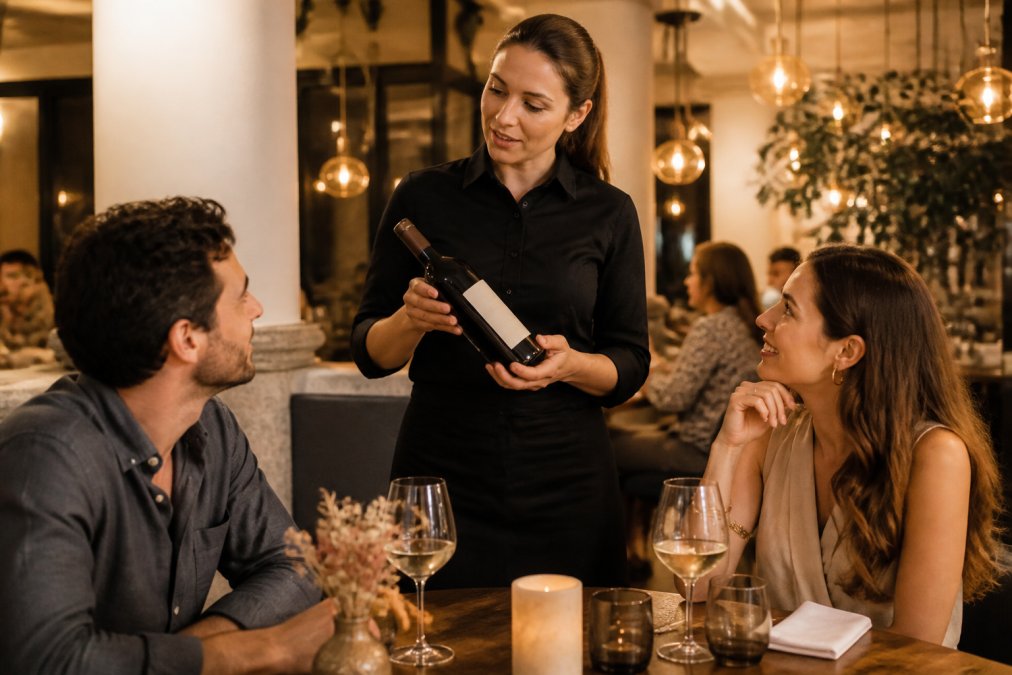
The best upselling happens when servers understand the menu deeply. A server who can describe a dish's flavors, preparation method, and wine pairing will naturally suggest items that fit what the guest wants. This creates a better experience and increases the check average.
Effective upselling techniques include:
- Ask open-ended questions about preferences (not "Want an appetizer?")
- Suggest specific items by name with a brief, honest description
- Recommend wine or beverage pairings early in the meal
- Time suggestions naturally, don't push during the rush
- Train servers to suggest premium items without sounding salesy
The key is authenticity. Servers who genuinely recommend what they'd order themselves close more upsells. When servers are trained in consultative upselling rather than aggressive tactics, it can lead to an increase in average check size.
2. Implement Restaurant Menu Engineering Tips
Menu engineering uses psychology and data to guide customers toward your most profitable dishes.
Start by analyzing which dishes drive the highest profit margins. Then, use placement, description, and pricing to influence customer choices. Dishes with high profit margins should appear in the top third of your menu and in boxes that draw the eye.
Menu psychology tactics that work:
- Place high-margin items near the top and in visual focal points
- Use descriptive language for profitable dishes ("herb-crusted" vs. just "chicken")
- Remove or reposition low-margin items that don't sell well
- Price strategically, remove the dollar sign to reduce price sensitivity
- Group dishes by category and highlight signature items
The menu is your silent salesperson. A well-engineered menu naturally guides customers toward items that improve your profitability while still giving them choices they love.
3. How to Increase Average Check Size Without Alienating Guests
Increasing your average check size doesn't mean tricking customers into spending more. It means offering genuine value at higher price points and making it easy for customers to say yes.
The most effective way to increase average check size is through strategic bundling and tiered options. Instead of asking "Want dessert?" offer a dessert pairing or a tasting menu option. Customers feel they're getting more value, and your revenue per transaction rises.
Proven tactics to increase check averages:
- Offer premium versions of popular dishes at higher price points
- Create tasting menus or multi-course experiences
- Bundle complementary items (appetizer + entree combos)
- Use wine or beverage upsells strategically
- Highlight signature dishes and specials that command higher margins
- Make premium add-ons obvious and appealing
The psychology here is important: customers don't resent higher prices when they perceive genuine value. A $28 entree with a compelling description sells better than a $22 entree that feels generic, even though the markup is similar.
4. Build Customer Loyalty With a Restaurant Loyalty Program
Customer loyalty programs transform occasional diners into regulars. The most effective programs reward repeat visits and encourage customers to spend more over time.
A restaurant loyalty program should be simple to join and simple to use. Complexity kills adoption. The best programs offer immediate benefits, not just points that take months to redeem.
What makes a loyalty program actually work:
- Offer exclusive discounts or free items for members only
- Make the first reward achievable in 2-3 visits, not 10
- Use personalized offers based on past purchases
- Integrate with your POS system for seamless redemption
- Communicate offers through email or SMS regularly
- Track purchase data to understand customer preferences
The Restaurant Customer Loyalty Program helps restaurants build loyalty without replacing their existing POS system. Restaurants create their own member-exclusive offers, BOGO deals, free appetizers, discounts on specific dishes, and customers show their membership to redeem. This creates repeat business and gives diners more reasons to choose your restaurant over competitors.
5. Optimize Table Turnover and Operational Efficiency
Table turnover directly impacts your revenue potential. A restaurant that turns tables efficiently can serve more guests and generate more sales from the same physical space.
Operational efficiency isn't just about speed, it's about removing friction from the dining experience. When guests feel rushed, they leave. When service flows naturally, they linger and spend more.
Ways to optimize table turnover and efficiency:
- Train staff on timing, know when to present the check without hovering
- Simplify your menu to reduce kitchen bottlenecks
- Use table management software to track occupancy
- Prepare tables quickly between seatings
- Train servers to work in sync with kitchen timing
- Manage seating to match your turnover capacity
The goal is a sweet spot: guests enjoy their meal without feeling pressured, and your kitchen keeps pace with demand. This balance increases both customer satisfaction and revenue per table.
6. Expand Off-Premise Sales and Direct-to-Consumer Channels
Off-premise sales, takeout, delivery, catering, are now essential revenue streams. Off-premise sales can be a significant portion of total revenue for many restaurants.
Direct-to-consumer channels give you higher margins than third-party delivery apps. When customers order directly from you, you keep more profit.
Strategies to grow off-premise sales:
- Make ordering easy on your website or app
- Promote your own ordering channel over third-party apps
- Offer special deals for direct orders to incentivize customers
- Package food for quality during transport
- Use email and SMS to promote takeout specials
- Partner with local delivery services if needed, but prioritize direct orders
The economics are clear: direct orders can help you retain more profit compared to third-party delivery platforms. Build your own ordering capability and promote it aggressively to your customer base.
7. Use Data to Drive Sales Growth Decisions
Data-driven decision making separates restaurants that grow from those that stagnate. Track what's working and double down on it.
Key metrics to monitor for sales growth:
- Average check size by daypart and menu category
- Customer acquisition cost vs. lifetime value
- Table turnover rates and peak hours
- Menu item profitability and popularity
- Repeat customer rate and frequency
- Revenue per available seat hour (RevPASH)
- Staff performance on upselling and service metrics
Use this data to identify trends. If a specific dish drives high margins, feature it more prominently. If certain staff members consistently achieve higher check averages, replicate their techniques across the team. If a particular promotion drives repeat visits, run it again.
Most restaurants have the data they need, they just don't look at it. Spend 30 minutes weekly reviewing your POS reports. You'll spot opportunities to increase restaurant sales that are hiding in plain sight.
Building sustainable sales growth requires a mix of tactics. Train your team on consultative upselling. Engineer your menu for profitability. Build genuine customer loyalty that keeps diners coming back. The Restaurant Marketing & Customer Retention strategies work best when you combine smart operations with a loyalty program that rewards repeat business. When you turn casual customers into loyal members who visit more often and spend more per visit, you create a virtuous cycle: loyal customers visit more frequently, spend higher check averages, and become your best marketing channel by recommending you to friends.
Frequently Asked Questions
How does a loyalty program impact restaurant revenue?
A restaurant loyalty program directly increases sales by encouraging repeat visits and higher spending per transaction. Members tend to dine more frequently and spend more per visit when they earn rewards or receive exclusive perks. Loyalty programs also reduce customer acquisition costs by turning occasional diners into regular patrons. The Regulars Club helps restaurants build this repeat business through member-only benefits, creating predictable recurring revenue without requiring POS system replacement.
What are the best upselling techniques for servers?
Effective upselling starts with genuine knowledge: servers should understand menu items, ingredients, and pairings before suggesting upgrades. Timing matters, suggest add-ons after the initial order is placed, not during. Frame suggestions around guest preferences ('Since you ordered our grilled salmon, you might enjoy...') rather than pushing the most expensive option. Training staff to recognize guest cues and make personalized recommendations increases both check size and customer satisfaction. Incentive programs that reward servers for upselling also drive consistent results.
How can menu engineering increase sales?
Menu engineering uses psychology and data to guide guests toward high-profit items. Strategically placing profitable dishes in prime visual positions, using descriptive language that appeals to guests, and adjusting pricing to reflect perceived value all influence purchasing decisions. Removing low-profit items and highlighting signature dishes with strong margins improves overall profitability. Testing menu descriptions, photography, and item placement helps restaurants understand what drives both sales volume and profit margins. This approach balances guest satisfaction with business growth.
What's the fastest way to increase average check size?
The fastest results come from combining three tactics: staff training on upselling, strategic menu placement of higher-margin items, and a loyalty program that encourages larger orders through personalized offers. Servers who suggest wine or beverage pairings, appetizers, and desserts can increase check average without changing your menu. Loyalty programs allow you to offer targeted promotions to repeat customers, driving both frequency and spending. The key is making higher spending feel natural and rewarding, not pushy.