 how-to
How to Turn First-Time Diners Into Regulars
Table of Contents
- Why First-Time Diners Decide Whether to Return
- The First 48 Hours: Capturing Guest Data and Following Up
- Restaurant Customer Retention Strategies That Build Lasting Habits
- How to Improve Restaurant Guest Experience From the First Hello
- Restaurant Loyalty Program Ideas That Reward the Second Visit
- Front-of-House Scripts and Service Recovery That Win Guests Back
- Conclusion
- Frequently Asked Questions
Last Updated: September 15, 2026
Why First-Time Diners Decide Whether to Return
Most first-time diners make up their mind about a restaurant before the check arrives. The food matters, but the feeling of being expected, welcomed, and remembered is what turns a one-off visit into a habit. This guide from The Regulars Club breaks down how to turn first-time diners into regulars, from the first hello to the follow-up email that brings them back.
The window is narrow. A guest who leaves without any reason to return is unlikely to come back on their own, and winning a new customer costs far more than keeping an existing one (The Value of Keeping the Right Customers). Repeat business is the backbone of independent restaurants, and it rarely happens by accident.
Here's what most guides get wrong: they jump straight to loyalty apps and discount programs before the basic hospitality foundation is solid. Below, we'll show you exactly how to build that foundation first, then layer on the retention tools that actually work.
The First 48 Hours: Capturing Guest Data and Following Up
The first 48 hours after a visit is when a new guest is most likely to respond to a follow-up. Capture their contact information at the table, not at the register, and reach out while the experience is still fresh. The reason is simple: memory of a good meal decays fast, and a guest who hasn't heard from you within two days has usually already filed the visit under "been there" rather than "go back."
A simple approach works best. Train servers to mention an email or text club during the meal, and offer something specific in return, such as a first-visit thank-you or a heads-up on a new menu item. Data capture feels intrusive when it's vague; it feels generous when the guest knows what they get.
Why the Table Beats the Register
Asking at the register turns a hospitality moment into a transaction. The guest is already reaching for a card, thinking about the walk to the car, and the ask reads as a checkout prompt. Asking at the table, ideally right after the guest compliments something, lands while they're still enjoying the experience. A common pattern among independent operators is to have the server make the ask once, casually, and never push if the guest declines. One ask, one yes or no, move on.
What to Actually Collect
You do not need a full profile. You need enough to make the next message feel personal and enough to segment later. A workable minimum:
- Name, email, and mobile number (text where permitted, email as backup)
- One preference: favorite dish, dietary note, or seating choice
- Visit date and party size
- How they found you (walk-by, friend, social, search)
That last field is the one most restaurants skip, and it's the one that tells you which acquisition channel is actually producing returners rather than one-time visitors.
The Follow-Up Sequence
A single thank-you email is table stakes. A short sequence converts far better:
- Within 24 hours: A personal thank-you that references something specific from the visit. No coupon.
- Day 3 to 5: A soft nudge tied to something on the calendar, a new menu item, a seasonal dish, a night that fits their stated schedule.
- Day 10 to 14: A single, clear reason to return, ideally tied to the preference they gave you.
- Day 30: If they haven't returned, one last low-pressure note. Then stop.
Four touches over a month is enough. More than that and you train the guest to ignore you.
Segment Before You Send
Blasting the same message to everyone is the fastest way to get filtered. Split your list by at least three things: first-time guests who haven't returned, guests who returned once, and lapsed regulars. Each group needs a different message. A first-timer needs a reason to come back a second time. A one-time returner needs a reason to make it a habit. A lapsed regular needs a reason to feel missed.
- Collect name, email, and one preference (favorite dish, dietary note, or seating choice)
- Send a thank-you message within 24 hours
- Include one clear reason to return, not a generic coupon blast
- Log the visit in your CRM software so staff can reference it next time
- Tag each guest by visit count so your follow-ups match where they actually are
Restaurant Customer Retention Strategies That Build Lasting Habits
Restaurant customer retention strategies work best when they target habit, not just satisfaction. A guest who enjoyed a meal may still forget to return; a guest who has built a routine around your restaurant will come back without thinking about it.
Habit formation in dining follows a predictable pattern: a trigger, a routine, and a reward. A weekly special, a familiar server, or a standing table on the same night each week all serve as triggers. The reward is the comfort and recognition the guest feels when they walk in.
Visit frequency climbs when the guest has a reason tied to their own schedule rather than yours. "See you next Tuesday" is more powerful than "come back soon."
How to Improve Restaurant Guest Experience From the First Hello
Improving restaurant guest experience starts at the door. The first 30 seconds set the tone for everything that follows, and a guest who feels noticed on arrival is far more likely to forgive a slow kitchen or a minor mistake later.
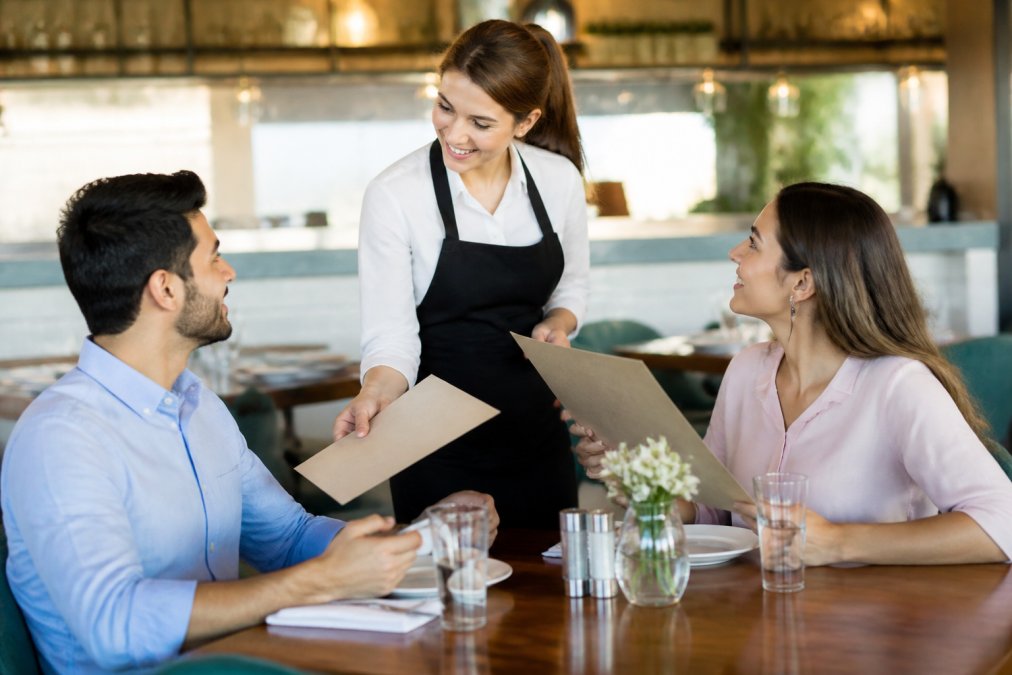
Front-of-house staff should greet by name when possible, seat guests thoughtfully, and flag any preferences from a previous visit. Small touches, like remembering a guest's usual drink or asking about a dish they loved last time, create the recognition that separates a good meal from a memorable one.
Service touchpoints matter throughout the visit, not just at the start. Checking in after the first few bites, timing the check drop, and a warm goodbye all reinforce the guest experience.
Restaurant Loyalty Program Ideas That Reward the Second Visit
Restaurant loyalty program ideas should reward the second visit, not the tenth. Most programs lose new guests in the gap between visit one and visit two, because the reward feels too far away to bother chasing.
The Behavioral Case for Rewarding Visit Two
The Retention Math That Makes the Case to Ownership
Program Structures and What Each One Actually Does
| Program Type | Best For | Redemption Effort | Guest Feel |
|---|---|---|---|
| Punch card | Cafés, quick service | Low | Familiar, low value |
| Points app | Chains, high volume | Medium | Transactional |
| Membership club | Independent restaurants | Low | Exclusive, personal |
| Email-only perks | Any restaurant with a list | Low | Impersonal |
Design Rules That Separate Programs That Work From Programs That Don't
The Second-Visit Offer, Specifically
The offer that earns visit two should be:
Front-of-House Scripts and Service Recovery That Win Guests Back
Here are front-of-house script templates staff can adapt:
Conclusion
Frequently Asked Questions
What is the 30/30/30 rule for restaurants?
The 30/30/30 rule is a common hospitality guideline suggesting that within the first 30 seconds of a guest sitting down, they should be greeted; within 30 seconds of being seated, they should have water or a beverage; and within 30 minutes, they should have their full dining experience underway. While not a formal industry standard, it reflects the principle that speed and attentiveness in the early moments of a visit shape how first-time diners perceive the entire experience. Restaurants that consistently hit these marks tend to see higher satisfaction scores and more repeat visits.
How do you become a regular at a restaurant?
Becoming a regular happens when a guest returns often enough that staff recognize them and their preferences. From the restaurant's side, encouraging this means making the second visit easy: capturing contact information, sending a follow-up within 48 hours, and offering a reason to come back such as a loyalty perk or a personalized invitation. From the diner's side, visiting during off-peak hours, sitting at the bar, and engaging with staff by name all accelerate the transition from first-time diner to recognized regular.
How do you measure customer loyalty in the food industry?
Customer loyalty is typically measured through visit frequency, retention rate, and customer lifetime value. Visit frequency tracks how often a guest returns within a set period, such as 30 or 90 days. Retention rate shows the percentage of first-time diners who come back at least once. Customer lifetime value estimates total revenue a guest generates over their relationship with the restaurant. Tracking these metrics through a point of sale system or CRM software gives owners a clear picture of whether their restaurant customer retention strategies are working.
How can staff behavior impact repeat business?
Staff behavior is one of the strongest predictors of whether a first-time diner returns. A server who remembers a guest's name, recommends a favorite dish, or notices a birthday creates a personal connection that no discount can replicate. Conversely, slow service, inattentiveness, or a dismissive tone can undo an excellent meal. Training front-of-house teams on guest recognition, service recovery, and simple scripts for welcoming new faces turns every interaction into a retention opportunity and builds the hospitality standards that keep guests coming back.