 how-to
Optimizing Restaurant Website for Local Search in 2026
Table of Contents
- Why Your Restaurant Website Isn't Showing Up in Local Search
- Start with Google Business Profile Optimization for Restaurants
- Build a Mobile-First Website That Converts Diners
- A Practical Restaurant Schema Markup Guide for Menus and Reservations
- How to Get More Restaurant Reviews (and Respond to Them)
- Use Hyper-Local Content and Landing Pages to Win Nearby Searches
- Track What Matters: Metrics for Local Restaurant SEO
- Your Restaurant's Local SEO Roadmap for 2026
- Frequently Asked Questions
Last Updated: September 6, 2026
Your restaurant serves incredible food, yet when nearby diners search for a place to eat, your name is missing from the results. Optimizing restaurant website for local search is the difference between a thriving dining room and empty tables, yet most independent owners focus only on their social media. This guide from The Regulars Club breaks down the technical fixes that move your restaurant up the local pack and turn online searches into booked reservations.
Local search optimization for restaurants is the process of improving your digital presence so your eatery appears prominently when nearby customers search for food options. The challenge is that Google prioritizes relevance, distance, and prominence, meaning your website must signal exactly what you offer and where you are located. Below, we'll show you exactly how to capture that nearby traffic, starting with the foundational mistake most restaurant websites make.
Why Your Restaurant Website Isn't Showing Up in Local Search
Most restaurant websites fail at local search because they treat their site as a digital menu rather than a conversion tool. If your site lacks location signals, structured data, and fresh content, Google has no reason to rank you for nearby queries with local intent.
A common mistake is burying your address and service area in the footer while filling the homepage with generic stock photography. Search engines need clear, consistent signals about who you are, where you are, and what you serve. Without those signals, your digital presence gets outranked by competitors who have done the basic technical work.
The other silent killer is inconsistency. Your name, address, and phone number appearing differently across your website, social profiles, and directories confuses search engines about your legitimacy. This NAP inconsistency directly damages your local search ranking and your eatery visibility.
Start with Google Business Profile Optimization for Restaurants
Google Business Profile optimization for restaurants is the highest-use activity you can do for local search, and it costs nothing but time. Your profile controls your appearance in the local pack and Google Maps ranking, making it the foundation of your entire local SEO strategy.
Complete every field Google offers, including your cuisine type, dining options, service options, and business hours. Upload recent photos of your dishes and interior monthly, since profiles with fresh imagery earn more clicks. Add your menu URL and reservation integration directly to your profile so customers can act immediately.
Post weekly updates about specials, events, or new dishes. Google rewards active profiles with better visibility in the search engine results page, and these posts give you another channel to reach regulars. The effort compounds: a fully optimized profile signals brand authority and trustworthiness to both Google and potential diners.
Build a Mobile-First Website That Converts Diners
Mobile-first indexing means Google uses your mobile site to determine rankings, so a desktop-only approach actively hurts your local search performance (developers.google.com). Most nearby searches happen on phones, often while someone is walking down your street deciding where to eat.
Your mobile site must load in under three seconds, display your phone number prominently, and make your menu readable without pinch-zooming (developers.google.com). Page speed directly impacts user experience and your conversion rate, since diners abandon slow sites within seconds. Test your site using Google's own tools to identify what is slowing you down.
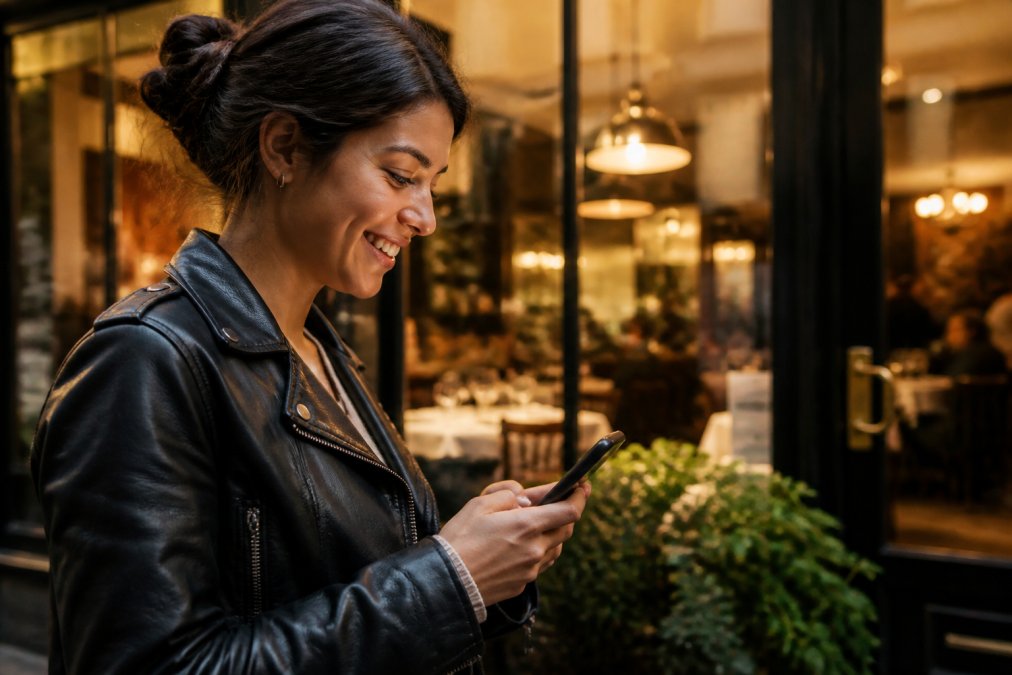
The real conversion win is removing friction. A click-to-call button, a one-tap directions link, and an online ordering system visible on the first screen turn mobile visitors into paying customers. Voice search optimization matters here too, since diners ask their phones for "the best pizza near me" and expect instant, accurate answers.
A Practical Restaurant Schema Markup Guide for Menus and Reservations
Most local SEO guides tell you schema markup is important, then stop there. That gap leaves restaurant owners with a vague sense they should 'add structured data' but no mechanism to do it. This section closes that gap with a copy-paste implementation path for the two highest-value schema types for a restaurant: Menu and Reservation.
Schema markup is a vocabulary of code (JSON-LD) that you place in the <head> of your web pages. It does not change what visitors see, but it gives Google explicit, machine-readable answers to questions like: What dishes do you serve? What do they cost? Can a diner book a table directly from the search result?
Step 1: Start with the Restaurant type
Before you mark up individual menu items, you need a base Restaurant entity on your homepage. This tells Google your business category, cuisine type, price range, and physical location. The critical fields are name, address, geo, telephone, servesCuisine, priceRange, and url. Use your exact NAP (name, address, phone) values here, a mismatch with your Google Business Profile undermines the signal.
Here is a minimal, valid JSON-LD block you can adapt. Replace the bracketed values with your own data:
How to Get More Restaurant Reviews (and Respond to Them)
Customer reviews are a direct ranking factor for local search, and online reputation management determines whether diners choose you over a competitor (moz.com). Google evaluates both the quantity and quality of your reviews when deciding local pack placement.
Ask every satisfied customer for a review at the moment of peak satisfaction, typically when they compliment the food or service. Train your staff to send a follow-up text with a direct review link, removing all friction from the process. Never buy reviews or incentivize them with discounts, since Google penalizes fake engagement.
Respond to every review, positive or negative, within 48 hours. Thank reviewers by name and mention a specific dish they enjoyed to show authenticity. For negative feedback, apologize publicly and offer to make it right offline. This responsiveness signals to Google that you are an engaged, trustworthy business, and it shows potential diners you care about their experience.
Use Hyper-Local Content and Landing Pages to Win Nearby Searches
Hyper-local content targets the specific neighborhoods, landmarks, and events around your restaurant, capturing diners with strong local intent. Generic content about your cuisine cannot compete with pages that mention the office park, stadium, or theater district your customers come from.
Create a dedicated location page for each area you serve, mentioning nearby landmarks and the directions customers typically take. Write about your participation in local events, collaborations with nearby businesses, and staff recommendations for what to do in the neighborhood. This content signals relevance to Google for searches combining your cuisine with local terms.
The key is balancing local keywords with genuine usefulness. A page titled "Best Lunch Near the Convention Center" that lists your daily specials and walking directions serves both search engines and hungry visitors. These location pages capture traffic that generic restaurant marketing strategies miss entirely.
Track What Matters: Metrics for Local Restaurant SEO
Local restaurant SEO requires tracking the metrics that connect search visibility to actual revenue, not vanity numbers. Monitor your Google Business Profile insights, including how many people called you, requested directions, or visited your website from search.
Your Google Search Console shows which queries bring organic traffic and your average position for those terms. Watch for impressions on local-intent keywords like "near me" searches and track whether those impressions convert to clicks. A high impression count with low click-through rate usually signals a title tag or meta description problem.
The ultimate metric is reservations and orders attributed to search. Use unique phone numbers or tracking links to measure which local search efforts drive actual diners through your door. This data tells you where to invest your marketing time and budget.
Your Restaurant's Local SEO Roadmap for 2026
Start with the quick wins that take under a week, then build toward the technical improvements that compound over months. This roadmap sequences your efforts for maximum impact with minimum wasted time.
| Phase | Action | Timeframe | Impact |
|---|---|---|---|
| Week 1 | Complete Google Business Profile, fix NAP consistency | 3-5 hours | High |
| Week 2 | Optimize mobile site speed and click-to-call | 5-8 hours | High |
| Week 3 | Implement restaurant schema markup | 3-4 hours | Medium |
| Week 4 | Launch review generation system | 2-3 hours | High |
| Ongoing | Publish hyper-local content monthly | 2 hours/month | Medium |
Month one focuses on the foundational fixes that get you into the local pack. Months two and three build authority through reviews, content, and structured data. By month six, you should have a clear picture of which local search strategies drive your reservations.
For independent restaurants, this work directly supports the goal of turning occasional diners into loyal regulars. The Regulars Club helps you retain the customers your local search efforts bring through the door with a Restaurant Customer Loyalty Program that rewards repeat visits without replacing your existing POS system. Restaurants create their own offers and add discounts directly into their POS as coupon buttons for easy redemption.
The technical work of local search gets you discovered. The guest experience gets you remembered. When both work together, your restaurant becomes the default choice for diners in your neighborhood.
Frequently Asked Questions
Is SEO still worth it for restaurants in 2026?
Yes, especially for local search. When someone nearby searches for 'pizza near me' or 'best brunch,' you want your restaurant to be the first result. Unlike paid ads, the organic traffic you earn from local SEO compounds over time. A well-optimized website and Google Business Profile continue to bring in new customers without ongoing ad spend, making it one of the most cost-effective ways to build a steady stream of diners.
What are the most important local SEO ranking factors for restaurants?
The most critical factors are NAP consistency (your Name, Address, and Phone number must match everywhere online), a fully completed Google Business Profile, and a steady flow of positive customer reviews. Your website also needs to be fast and mobile-friendly, and it should clearly state your service area. These signals tell Google that your restaurant is legitimate, relevant, and close to the person searching.
How does a loyalty program impact local search visibility?
A loyalty program helps you collect customer data, which is gold for local SEO. By building an email list or SMS list through sign-ups, you can drive more repeat visits and encourage members to leave reviews. A high volume of new, positive reviews is a strong ranking signal. Loyal customers are also more likely to share your restaurant on social media, which builds your brand authority and sends positive signals to search engines.
Local search success demands consistent effort across your profile, website, and reputation. The Regulars Club supports this mission by helping independent restaurants increase customer loyalty and recurring revenue through a simple membership platform. Get started with The Regulars Club and turn the diners you win through local search into devoted regulars who return week after week.