 ultimate-guide
Restaurant Rewards Program: A 2026 Guide
Table of Contents
- What Is a Restaurant Rewards Program?
- Restaurant Loyalty Program Benefits That Actually Matter
- How to Increase Customer Loyalty in Restaurants Through Rewards
- Best Dining Rewards Apps and Membership Platforms
- Restaurant Membership Perks: What to Expect
- Choosing the Right Rewards Program for Your Dining Style
- The Psychology Behind Loyalty and Why Programs Work
- Frequently Asked Questions
Last Updated: October 1, 2026
What Is a Restaurant Rewards Program?
A restaurant rewards program is a membership-based system that gives diners exclusive perks, discounts, and incentives for repeat visits to participating restaurants. Members earn benefits simply by dining out at partner establishments, turning casual visits into rewarded loyalty.
These programs connect frequent diners with local restaurants through structured incentive systems. Instead of scattered one-off promotions, a restaurant rewards program creates a consistent relationship between the diner and the establishment. Members might receive points for each dollar spent, access to exclusive menu items, free appetizers on birthdays, or BOGO deals that reward loyalty.
For restaurant owners, a restaurant rewards program serves as a customer retention tool without requiring a complete overhaul of existing systems. Restaurants can create custom offers and integrate them directly into their POS as coupon buttons for seamless redemption. The goal is straightforward: turn occasional customers into regulars while giving diners tangible reasons to choose their favorite local spots.
The Regulars Club exemplifies this model by connecting diners with independent restaurants through exclusive member-only perks and personalized offers. Members show their active membership and gain access to benefits tailored to each restaurant's unique offerings.
Restaurant Loyalty Program Benefits That Actually Matter
The real value of a restaurant loyalty program goes beyond simple discounts. Members experience tangible advantages that reshape their dining habits and deepen their connection to favorite establishments.
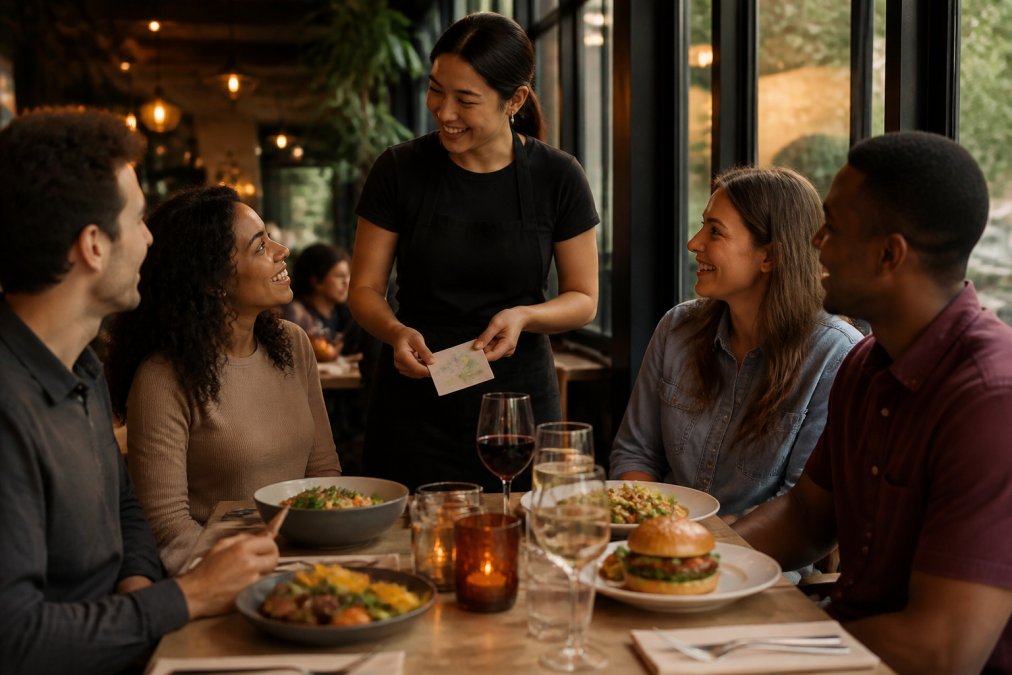
Direct financial rewards form the foundation. Members accumulate points on qualified spending that convert into discounts, free items, or cash-back offers. A diner who visits twice weekly suddenly sees meaningful savings accumulate over a month. This creates what behavioral economists call the "reciprocity effect", when customers receive genuine value, they naturally return.
Exclusive access separates members from casual diners. Early access to limited-time menu items, invitation-only tasting events, or special pricing on premium dishes makes members feel recognized. This psychological benefit often matters more than the financial one. A regular who receives a personalized offer feels seen by the restaurant, not just another transaction.
Personalized engagement transforms the dining experience. When a restaurant tracks your preferences, you always order spicy dishes, you bring clients on Thursdays, you love their wine selection, they can tailor offers that actually resonate. Generic promotions get ignored. Personalized ones get acted on.
Reduced decision friction keeps customers coming back. Members know exactly what benefits await them. No searching for coupons, no wondering if today's visit qualifies for a discount. The path is clear: show your membership, receive your benefit. This simplicity drives repeat visits.
Community connection builds emotional loyalty beyond transactions. Members of a restaurant loyalty program often feel part of something, a community of people who value the same local establishments. This sense of belonging outlasts any single discount.
How to Increase Customer Loyalty in Restaurants Through Rewards
Building genuine customer loyalty through a restaurant rewards program requires strategy beyond simply offering discounts. The most effective approaches align rewards with actual customer behavior and preferences.
Understand your customer base first. Not all diners value the same rewards. Some chase points accumulation; others prefer immediate discounts. Families might prioritize free kids' meals; wine enthusiasts want exclusive selections. A restaurant rewards program that segments offers by diner type sees higher engagement than one offering identical benefits to everyone.
Create tiered rewards that encourage progression. A three-tier structure, Bronze, Silver, Gold, motivates customers to increase spending to reach the next level. Each tier unlocks better perks. This gamification element drives psychological engagement. Customers actively work toward the next tier rather than passively accepting fixed benefits.
Integrate with your POS system seamlessly. The best restaurant rewards program removes friction at the point of sale. Staff should apply benefits with a single button click. Complicated processes, requiring customers to enter codes, search for offers, or manually track points, kill adoption. The Regulars Club integrates directly into existing POS systems, making redemption effortless for both staff and diners.
Offer time-sensitive incentives strategically. Bonus points during slow periods, double-points on specific menu items, or limited-time perks create urgency. A diner who might visit once monthly suddenly visits twice when a special promotion runs for two weeks.
Personalize offers based on purchase history. A customer who consistently orders appetizers and wine deserves different offers than one who orders quick lunch specials. Targeted personalization within a restaurant rewards program dramatically increases redemption rates compared to broad promotions.
Communicate consistently without overwhelming. Regular but not excessive contact keeps the program top-of-mind. Monthly highlights of new member perks, birthday bonuses, or seasonal specials remind members why they joined. Daily notifications, however, breed fatigue and opt-outs.
Best Dining Rewards Apps and Membership Platforms
The dining rewards landscape includes various platforms, each serving different restaurant types and diner preferences. Understanding the distinctions helps both customers and restaurant owners choose what fits their needs.
The Regulars Club stands out for independent restaurant owners seeking simplicity without POS replacement. Members access exclusive perks at local participating restaurants, and owners create custom offers integrated directly into their existing systems. The platform emphasizes community connection and personalized benefits rather than corporate-scale point systems. This approach works particularly well for pizzerias, cafes, bars, and neighborhood restaurants.
Specialized platforms cater to specific dining segments. Some focus on fine dining and upscale experiences. Others emphasize quick-service or casual dining chains. A restaurant rewards program designed for fine dining, with emphasis on exclusive tastings and sommelier recommendations, differs fundamentally from one built for fast-casual concepts.
National loyalty systems operate at scale with massive restaurant networks. These platforms offer extensive point accumulation across hundreds of locations but often lack personalization. A diner's offer at a national chain feels generic compared to a locally-curated benefit.
Digital wallet integration has become standard. Modern platforms embed directly into mobile wallets, eliminating the need to carry physical cards. Push notifications alert members to new offers, and redemption happens with a tap.
POS compatibility matters significantly. The best restaurant rewards program integrates with existing systems rather than replacing them. Restaurant owners shouldn't need to overhaul operations to participate. Platforms that work as add-ons to current POS setups see faster adoption among independent operators.
| Platform Type | Best For | Integration Approach | Personalization Level |
|---|---|---|---|
| Independent-focused | Local restaurants, pizzerias, bars | Add-on to existing POS | High (custom per restaurant) |
| National chains | Multi-location operations | Dedicated system | Medium (corporate templates) |
| Fine dining specialized | Upscale establishments | Custom integration | High (curated experiences) |
| Quick-service focused | Fast-casual, QSR | Simplified POS link | Low to medium (standardized) |
Restaurant Membership Perks: What to Expect
Member benefits vary widely depending on the platform and participating restaurant. Understanding what perks typically look like helps diners evaluate whether a restaurant rewards program justifies membership.
Point-based rewards form the most common structure. Members earn points per dollar spent, typically 1 point per $1, though structures vary. Accumulated points convert to discounts, free items, or cash-back. A diner accumulating 100 points might redeem for $10 off or a free appetizer.
Exclusive menu access gives members first claim on limited offerings. A restaurant might reserve special menu items exclusively for members during certain hours or seasons. This creates scarcity and recognition.
Birthday and anniversary bonuses add personal touches. Members receive free items or bonus points around significant dates. These gestures feel genuine and drive visits around those occasions.
Early access to promotions rewards loyalty with timing advantages. Members see new offers before the general public. Flash sales or limited-time perks hit member communications first.
Free or discounted items provide immediate gratification. Free appetizers, complimentary desserts, or percentage discounts on specific categories reward repeat visits tangibly.
Tiered benefits increase as members reach spending thresholds. Bronze members might receive 5% off; Silver members get 10% plus exclusive menu items; Gold members enjoy 15% off plus VIP seating. This structure motivates progression.
Event invitations create community. Members receive invitations to exclusive tastings, chef collaborations, or special dinners. These experiences build emotional connection beyond transactional benefits.
Referral bonuses incentivize word-of-mouth. Members who bring friends to restaurants might earn bonus points or special rewards. This turns customers into advocates.
Choosing the Right Rewards Program for Your Dining Style
Selecting a restaurant rewards program that aligns with your actual dining habits ensures you extract real value rather than joining programs you'll forget about.
Assess your dining frequency first. If you visit restaurants once monthly, aggressive loyalty programs offer limited benefit. Programs requiring spending thresholds to unlock value might never apply to you. Conversely, if you dine out three times weekly, a restaurant rewards program becomes genuinely valuable.
The Psychology Behind Loyalty and Why Programs Work
Understanding why restaurant loyalty programs drive behavior reveals why they succeed when executed well and fail when poorly designed.
Frequently Asked Questions
How much can I actually save with a restaurant rewards program?
Savings depend on your dining frequency and the program's structure. Members who dine out weekly typically see value through accumulated points, exclusive discounts, and bonus offers. A restaurant rewards program works best when you frequent participating restaurants regularly. The key is choosing a program aligned with where you already eat, savings compound fastest when the restaurants you love are part of the network.
What's the difference between a restaurant rewards program and a traditional punch card?
Modern restaurant rewards programs use digital tracking, personalized offers, and tiered benefits instead of physical cards. They track dining habits across multiple restaurants, send targeted promotions based on your preferences, and often include bonus points for specific items or days. Traditional punch cards only track visits at one location. Digital programs also integrate with mobile apps or membership cards, making them easier to use and harder to lose.
Do I need to be a member at every restaurant to get rewards?
No. Membership-based restaurant rewards programs connect you to multiple participating locations through a single membership. You show your active membership at any partner restaurant to unlock exclusive perks and discounts. This is different from individual restaurant loyalty programs, which require separate enrollment at each location. A unified program simplifies the experience and lets you earn rewards across your favorite neighborhood spots.
Are restaurant membership programs worth it if I only eat out occasionally?
Membership value depends on your dining frequency and the restaurants included. If you eat out fewer than twice a month at program partners, individual restaurant promotions may offer better value. However, if you have favorite local spots you visit regularly, a restaurant rewards program accelerates benefits through consistent point accumulation and exclusive member-only offers. Consider whether the participating restaurants match your actual dining habits before committing.