 listicle
Dining in Restaurants NYC: A 2026 Guide
Table of Contents
- What Makes Dining in Restaurants NYC Different From Anywhere Else
- How to Get Restaurant Reservations in NYC Without the Stress
- Affordable Dining in NYC: Eating Well Without Overspending
- NYC Restaurant Loyalty Programs: Getting More From Every Meal
- Dining in NYC for Groups, Events, and Tourists
- Chef-Driven Experiences and Standout Dining Destinations
- Conclusion
Last Updated: August 25, 2026
What Makes Dining in Restaurants NYC Different From Anywhere Else
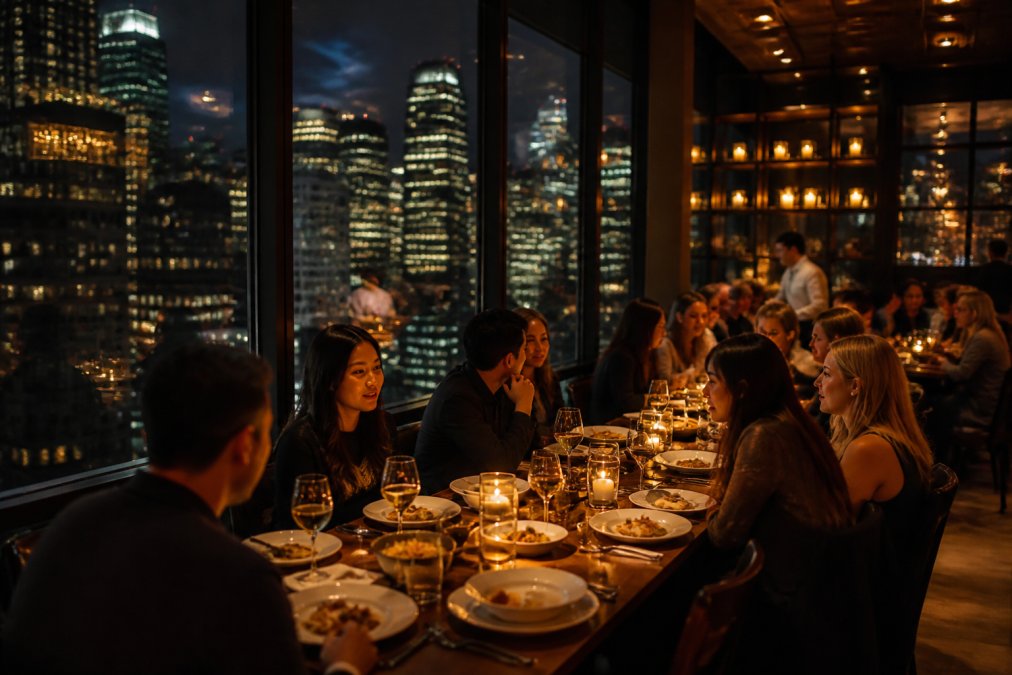
Dining in restaurants NYC is unlike eating out anywhere else in the country. The sheer density of options, cultural range, and speed at which the culinary scene turns over create an environment that rewards preparation and punishes complacency. Miss a reservation window by 24 hours and a table at a sought-after spot disappears for months.
At The Regulars Club, we track how diners engage with local restaurants across the city, and the pattern is clear: the people who eat best here understand the system, not just the food.
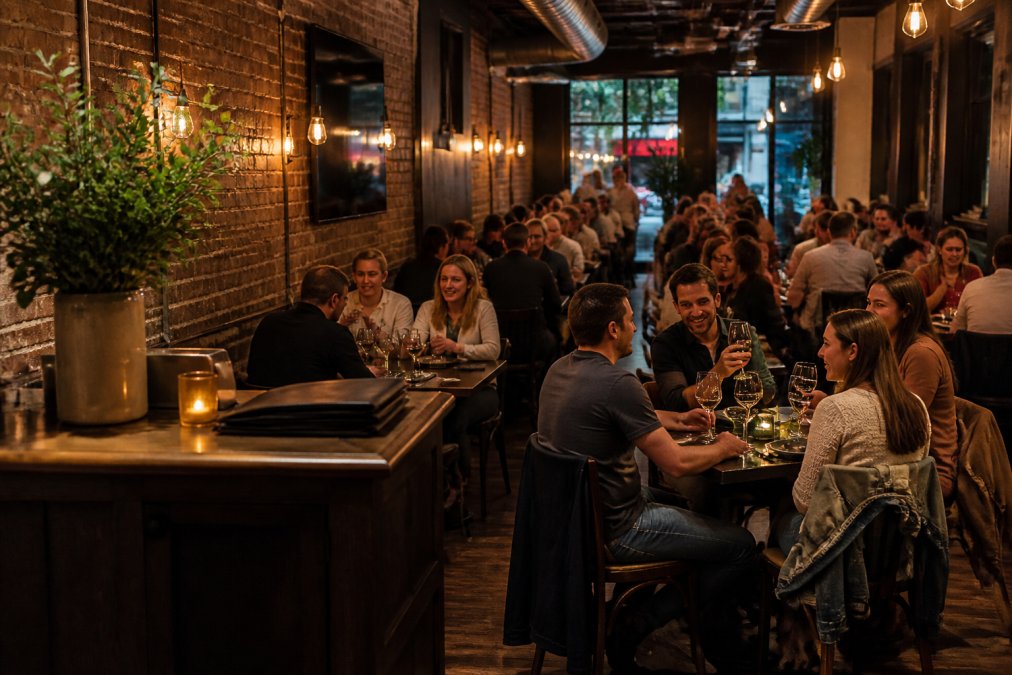
The city's food culture is world-class but operates on its own logic. Tasting menus at chef-driven destinations require weeks of advance planning, while a neighborhood gem in Jackson Heights might serve the best Nepali food you've eaten and seat walk-ins immediately on a Tuesday. Both count as dining in restaurants NYC. The range is the point.
Neighborhood-by-Neighborhood: Where to Eat and Why It Matters
The neighborhood you eat in shapes the experience as much as the restaurant itself. Lower Manhattan and Tribeca skew toward polished hospitality group operations with sleek interiors and deep wine lists. The West Village concentrates independent spots with strong culinary identities built before Instagram made them famous. Williamsburg and Greenpoint have absorbed many of the city's most interesting new openings, where industrial-cool ambiance and beverage programs get as much attention as the menu.
For serious food lovers on a budget, neighborhoods like Flushing, Jackson Heights, and Sunset Park offer some of the most authentic cuisine in the country at a fraction of comparable Manhattan prices. These are destinations, not backup options.
Decide what gastronomic experience you want before choosing where to go. Chasing a specific cuisine? Start with the neighborhood, then find the restaurant.
Casual Spots, Tasting Menus, and Everything In Between
The most common mistake is treating the city as if it has one dining register. It doesn't.
Walk-in friendly bistros and ramen counters operate on a first-come basis. Chef-driven tasting menu restaurants, offering only one seating per evening with a fixed multi-course progression, require reservations booked weeks or months out. The middle ground, prix fixe at a neighborhood bistro or a seasonal menu at a 40-seat restaurant taking reservations two weeks out, is where the city's dining experience is most consistently excellent.
| Dining Type | Typical Lead Time | Walk-In Friendly | Price Range |
|---|---|---|---|
| Casual neighborhood spot | Same day | Yes | Low to moderate |
| Bistro / seasonal menu | 1-2 weeks | Sometimes | Moderate |
| Chef-driven tasting menu | 4-8 weeks | Rarely | High |
| Hospitality group flagship | 2-4 weeks | No | Moderate to high |
How to Get Restaurant Reservations in NYC Without the Stress
Getting a reservation at a popular restaurant in NYC is a learnable skill. The core problem: in-demand restaurants release tables on a rolling basis at specific times, and those tables fill within minutes. Knowing the release schedule for restaurants you want is more valuable than any app feature.
Booking Platforms and Last-Minute Options
OpenTable and Resy dominate reservation management for most upscale and mid-tier restaurants. OpenTable runs the largest diner network in the country and is the default for many established restaurants. According to OpenTable's restaurant partner overview, the platform connects diners with tens of thousands of restaurants nationwide with real-time availability. Resy, with strong ties to American Express cardholders, concentrates on premium dining experiences and is the platform of choice for many of the city's most exclusive spots.
Walk-In Strategies That Actually Work
Walk-in dining in NYC is not dead. The best windows are early (before 6pm) or late (after 9pm). The 7-8pm slot is where reservations cluster. Bars and counter seats are almost always available without reservation, even when the main dining room is fully booked. Many chef-driven spots deliberately keep bar seating for walk-ins, and the experience is often better: closer to the kitchen, more relaxed service, and honest bartender recommendations.
Weekday lunches are the most underrated walk-in opportunity. Several restaurants impossible to access Friday nights run lunch service with half the wait and the same kitchen.
Affordable Dining in NYC: Eating Well Without Overspending
The reputation for expensive dining in restaurants NYC is earned but incomplete. The city has a deep tradition of serious, affordable food.
Prix Fixe Deals, Happy Hours, and Seasonal Menus
Prix fixe lunch menus access restaurants otherwise out of reach. Many fine dining spots charge significantly more at dinner but run two- or three-course lunch menus at a fraction of the price, using the same kitchen and seasonal ingredients. The cooking is identical. The bill is not.
Happy hour beverage programs at wine-focused restaurants often include by-the-glass pours from the dinner list. Arriving at 5pm for an hour at the bar before dinner is a legitimate strategy.
Seasonal menus change the value equation. A restaurant leaning into peak-season produce delivers a more interesting meal at lower cost than one running an expensive protein-heavy menu year-round. Following restaurants that update menus frequently pays off.
As noted by the James Beard Foundation's resources on supporting independent restaurants, independent restaurants are the backbone of local food culture, and choosing them over chains delivers better value alongside more authentic culinary experience.
Budget-Friendly Neighborhoods for Serious Food Lovers
The outer boroughs consistently outperform Manhattan on value without compromising quality. Flushing's food courts offer concentrated gastronomic experience across multiple Asian cuisines for under $15 a meal. Sunset Park's authentic Mexican restaurants compete with anything in the city. Astoria remains one of the best neighborhoods for Greek food in the country.
Within Manhattan, Chinatown and the Lower East Side still have pockets of genuine value. Avoid blocks immediately adjacent to major tourist corridors, where prices inflate without quality improvement.
NYC Restaurant Loyalty Programs: Getting More From Every Meal
NYC restaurant loyalty programs are underused by frequent diners. Most people don't know they exist or assume they're not worth the friction.
Repeat visits are the single most valuable thing a local restaurant can receive, and many independent spots reward loyalty in concrete ways: complimentary courses, priority reservation access, and informal recognition. The problem is this informal system doesn't scale or travel to new restaurants.
The Regulars Club fills that gap. The platform connects diners directly with participating local restaurants through membership delivering tangible perks: exclusive discounts, BOGO deals, free food offers, and monthly rewards. Members don't accumulate points or remember card numbers. Showing active membership at a participating restaurant accesses benefits. For frequent diners, membership creates consistent value across multiple spots.
For restaurant owners, the system works without replacing existing POS. Restaurants build their own offers and add Regulars Club discounts as coupon buttons in their POS system, keeping redemption simple.
According to the National Restaurant Association's insights on customer retention, repeat customers are significantly more valuable to independent restaurants than first-time visitors in both average spend and referral behavior.
Dining in NYC for Groups, Events, and Tourists
Group dining is where the NYC dining experience most often breaks down. A table for two is logistically simple. A table for ten is different.
Group Dining Logistics: Size, Booking, and Bill Splitting
Most restaurants set their group dining threshold at six or eight covers. Above that, many require prix fixe or set menus and deposits. This isn't arbitrary: large groups slow service, occupy tables longer, and create unpredictable bill situations.
For groups of six or more, call the restaurant directly rather than booking through a platform. Explain group size, ask about policy, and confirm whether a set menu applies. Restaurants appreciate transparency and often accommodate specific requests and dietary restrictions.
Bill splitting is persistent. Most restaurants split bills across multiple cards if asked at the start of the meal, not the end. Mentioning it when seated eliminates awkward later conversation.
For large private events, many restaurants have dedicated private dining rooms requiring food and beverage minimums rather than flat room fees, making costs more predictable.
Dietary Inclusivity and Accessibility Across the Culinary Scene
The city's culinary scene has improved on dietary inclusivity, though unevenly. Vegan and vegetarian menus have moved from afterthought to genuine focus at many mid-tier and fine dining spots. Gluten-free options are widely available, though cross-contamination protocols vary. Halal and kosher options concentrate in specific neighborhoods but are available across the city.
Physical accessibility is inconsistent. Many beloved restaurants occupy old buildings with steps at entrances, narrow aisles, and no accessible restrooms. The Americans with Disabilities Act guidance on restaurant accessibility sets baseline requirements, but enforcement varies. Calling ahead with specific access questions is most reliable for diners with mobility needs.
Chef-Driven Experiences and Standout Dining Destinations
The chef-driven restaurant defines NYC's fine dining landscape. These are singular creative visions with open kitchens where menus change seasonally and the dining experience centers on a specific culinary point of view.
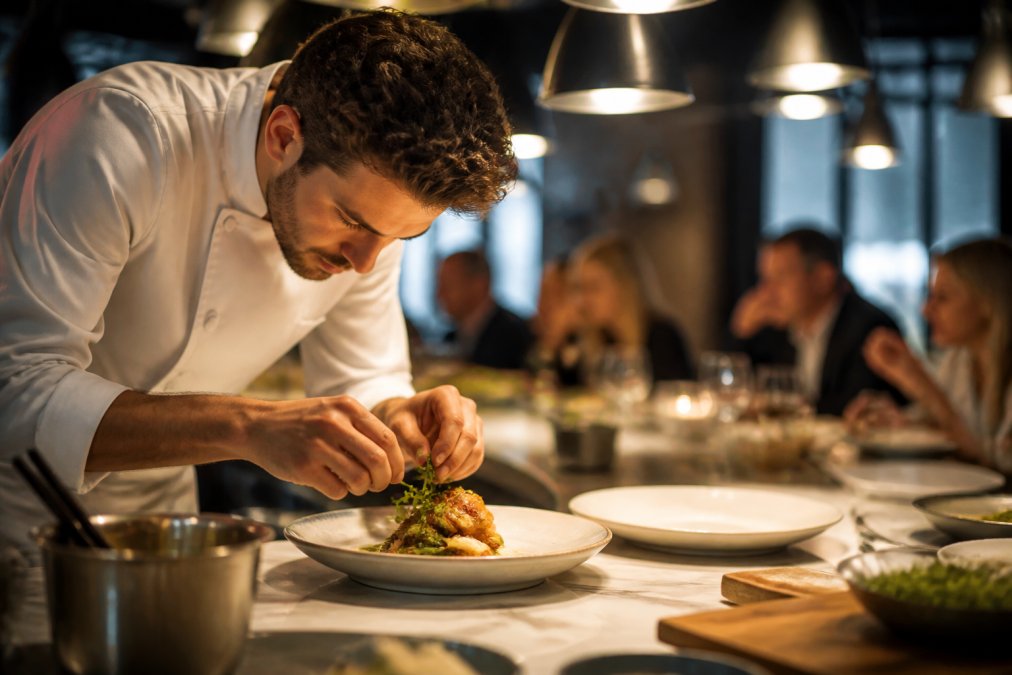
The tasting menu format naturally expresses this approach. A prix fixe progression of eight to twelve courses, with optional wine pairing, lets a kitchen tell a coherent story across an entire meal. The best experiences are genuinely memorable in ways a la carte dining rarely is.
Chef-driven doesn't always mean expensive or inaccessible. Some of the most interesting chef-run spots are small, informal, and priced for regular visits. The common thread is that the person making food decisions is present and engaged, not managing a portfolio from an office.
Culinary destination restaurants cluster in the West Village, Tribeca, and increasingly certain Brooklyn blocks. But the most interesting new openings often appear in less obvious locations. Following local food media and checking reservation availability on OpenTable and Resy regularly is most reliable for staying current.
Keeping up with dining in restaurants NYC takes real effort. The Regulars Club makes that easier by connecting members directly with participating local restaurants through exclusive perks, free food offers, BOGO deals, and monthly rewards. Members access benefits simply by showing active membership, with no points to track and no apps to fumble with at the table. For diners who eat out regularly and want more from every meal, visit The Regulars Club to see participating restaurants and get started.
Frequently Asked Questions
Q: What's the hardest restaurant to get into in NYC?
A: Highly chef-driven spots with tasting menus and limited seating are consistently the toughest to book. Restaurants that release reservations on a single day each month fill within minutes. Your best options are to set calendar alerts for release dates, check platforms like Resy and OpenTable for cancellations, or use a last-minute reservation app. Joining a dining membership that includes priority access or insider tips can also help you secure tables at in-demand neighborhood gems before they disappear.
Q: How can I save money while dining out in NYC?
A: Affordable dining in NYC is more accessible than most visitors expect. Look for prix fixe lunch menus at restaurants that charge double for dinner service. Happy hour beverage programs often include discounted small plates. Neighborhoods like Flushing, Sunset Park, and Jackson Heights offer authentic cuisine at a fraction of Midtown prices. Joining an NYC restaurant loyalty program such as The Regulars Club gives members access to BOGO deals, free food offers, and monthly rewards at local restaurants, which adds up quickly for frequent diners.
Q: What are the best neighborhoods for foodies in NYC?
A: The culinary landscape spans every borough. The West Village and Williamsburg attract chef-driven restaurants with seasonal tasting menus. Astoria and Jackson Heights are go-to destinations for authentic international cuisine. The Lower East Side mixes neighborhood spots with newer openings. Flushing is a gastronomic destination in its own right for East Asian food culture. Each area has a distinct dining identity, so the best neighborhood depends on whether you're after fine dining, a casual local favorite, or a specific cuisine.
Q: Are NYC restaurant loyalty programs worth it for regular diners?
A: For diners who eat out frequently, NYC restaurant loyalty programs deliver real value. Platforms like The Regulars Club offer member-only perks including discounts, free dishes, and BOGO deals simply by showing an active membership. Unlike point-accumulation systems that take months to pay off, these membership models are designed so frequent diners break even quickly. The key is confirming that restaurants you already visit are participating before you sign up. Visit The Regulars Club website to see current participating locations and membership details.
This article was written using GrandRanker