 listicle
Restaurant Marketing Ideas That Drive Repeat Customers
Table of Contents
- Build a Restaurant Loyalty Program That Keeps Customers Coming Back
- Create Restaurant Email Marketing Templates for Consistent Engagement
- Optimize Your Menu for Higher Average Check Size and Profitability
- Implement Restaurant Customer Retention Tactics That Work
- Use Social Media and User-Generated Content for Brand Awareness
- Use Restaurant Digital Marketing Tools to Automate Customer Outreach
- Host Events and Community Gatherings to Build Local Loyalty
- Frequently Asked Questions
Last Updated: October 4, 2026
Build a Restaurant Loyalty Program That Keeps Customers Coming Back
A strong loyalty program is one of the best restaurant marketing ideas for building repeat business. Instead of hoping customers return, you give them a concrete reason to come back. The difference between a casual diner and a regular is often just one thing: recognition and reward.
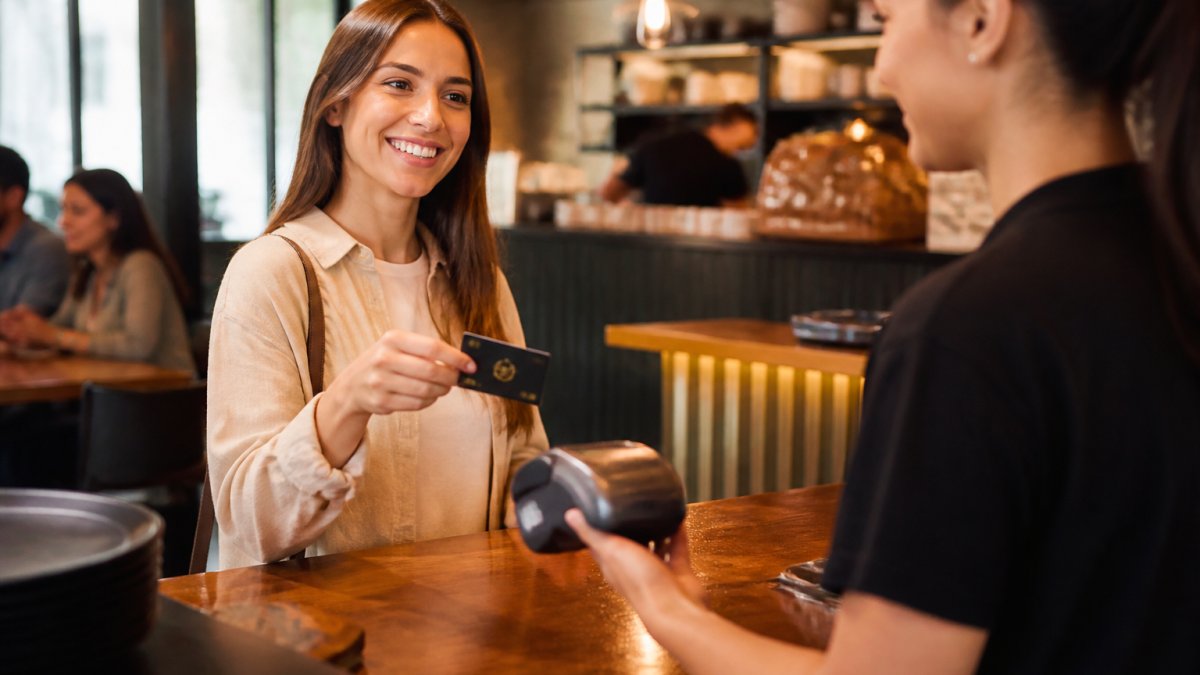
Loyalty programs work because they address a basic human need: feeling valued. Returning customers spend more over time, refer friends, and leave positive reviews.
A restaurant loyalty program doesn't have to be complicated. The most effective programs track visits, reward frequency, and offer tangible perks. Think BOGO deals, free appetizers after five visits, or exclusive discounts for members only. A Restaurant Customer Loyalty Program like The Regulars Club makes this easy for restaurants by letting owners create their own offers and integrate them directly into their POS system without replacing existing infrastructure.
Make enrollment frictionless: digital cards, QR codes, or phone verification should let customers join in under 30 seconds and see benefits immediately.
Create Restaurant Email Marketing Templates for Consistent Engagement
Email remains one of the highest-return marketing channels for restaurants. A well-timed message about a new menu item, special event, or limited-time offer can drive traffic during slow periods.
Templates ensure consistent format, tone, and call-to-action across every message, building trust and recognition.
Effective restaurant email marketing templates include:
- Welcome series: Three emails sent automatically when someone joins your list. First email confirms signup and explains member benefits. Second highlights your signature dishes. Third offers a first-visit incentive.
- Weekly specials: A single template showcasing this week's featured dish, happy hour times, or upcoming events. Send every Tuesday or Thursday.
- Birthday/anniversary emails: Automatically triggered on the customer's special day with a personalized offer. This drives incremental visits.
- Re-engagement campaigns: Target customers who haven't visited in 60+ days with a "we miss you" message and a special incentive to return.
- Event promotion: Announce private dining availability, live music nights, or seasonal menu launches with clear details and call-to-action.
Optimize Your Menu for Higher Average Check Size and Profitability
Menu design is invisible marketing. The way you present dishes, describe them, and price them directly affects what customers order and how much they spend.
High-performing menus highlight signature and highest-margin dishes with appetite-evoking descriptions, use strategic pricing ($16.95 vs. $17), and reduce choice to avoid overwhelming customers.
Group best sellers in the menu center, use white space around premium dishes, and include add-on options like sides or upgrades to increase average order value.
Implement Restaurant Customer Retention Tactics That Work
Retention is cheaper than acquisition, yet many restaurants focus on new traffic instead of exploring restaurant marketing ideas that engage existing customers.
Effective retention tactics include:
- Personalized recognition: Remember regular customers by name, their usual order, and their preferences. Train staff to greet regulars warmly. "Hey Sarah, your usual table is ready" feels like VIP treatment.
- Surprise and delight: Occasionally comp a dessert, send a handwritten thank-you note, or offer an unexpected upgrade. These moments create emotional loyalty that discounts alone cannot.
- Consistent quality: The fastest way to lose a regular is inconsistent food or service. If a customer loves your pasta on Monday but it's mediocre on Friday, they'll stop coming.
- Feedback loops: Ask regulars what they want. "Would you like to see more vegetarian options?" or "Any dishes you'd like us to bring back?" makes customers feel heard and invested.
- Exclusive member events: Host a private tasting menu for loyalty program members, or invite top customers to a special event. These create belonging.
A Restaurant Marketing & Customer Retention program like The Regulars Club simplifies this approach: create exclusive member-only perks and discounts that make people feel like insiders. When customers know they get better deals as members, they're more likely to return.
Use Social Media and User-Generated Content for Brand Awareness
Social media is how customers discover and decide whether to visit. Winning restaurants use repeatable content systems, not one-off posts.
Build a Short-Form Video Content Pillar System
Short-form video drives discovery and engagement far more than static posts. Organize your strategy into repeatable content pillars:
- Behind-the-scenes prep (30% of videos): Show knife skills, plating techniques, or ingredient sourcing. These humanize your kitchen and build trust. Example: "Watch our chef break down a 5-minute pasta sauce" or "How we prep 200 portions of our signature dish during service."
- Customer moments (25% of videos): Capture genuine reactions to food, staff interactions, or busy service moments. Authenticity outperforms polish. A shaky phone video of a customer's first bite of your signature dish performs better than a produced commercial.
- Quick tips and education (20% of videos): Position your restaurant as an authority. "Three ways to use leftover bread," "How to pick a ripe avocado," or "Wine pairing myths debunked." These build audience loyalty beyond just your restaurant.
- Trending audio and challenges (15% of videos): Participate in trending sounds or challenges relevant to food. This isn't about being "cool", it's about algorithmic visibility. Trending audio gets 3-5x more reach than original audio.
- Promotions and announcements (10% of videos): New menu items, events, or limited-time offers. Keep these brief and benefit-focused.
Post 4-5 short-form videos weekly. Consistency trains the algorithm to favor your content over higher-quality sporadic posts.
Maximize User-Generated Content (UGC)
Encourage UGC by making your restaurant visually distinctive: unique plating, decor, color scheme, or branded details give customers something worth photographing.
Create a branded hashtag and ask customers to tag you. Example: "Tag us in your photos for a chance to be featured on our main feed." Feature customer photos on your official account weekly, this incentivizes more UGC and builds community.
Monitor your branded hashtag daily, save 3-5 customer photos weekly, and repost with credit and thanks. This drives meaningful engagement.
Paid Social Amplification
Allocate a small paid budget to extend best-performing content. Target by location (5-10 miles), interests (foodies, dining out), and customer demographics.
Boost your top 3-4 UGC posts monthly. Customer photos convert better than branded content because they feel like peer recommendations, not advertising.
Use Restaurant Digital Marketing Tools to Automate Customer Outreach
Digital tools' real power is intelligent segmentation and personalization, sending the right message to the right customer at the right time.
Segment Your Customer Base for Targeted Messaging
First-time visitors, regulars, and high-value customers need different messages and treatment.
POS-integrated tools automatically segment customers by visit frequency, spend level, purchase history, and timing patterns to enable targeted offers.
Use AI-Driven Personalization for Higher Conversion
AI-powered tools predict which customers respond to which offers. If your tools lack AI personalization, start with basic segmentation: create 4-5 customer segments and send targeted emails. The ROI is dramatically higher than blast emails.
Choose the Right Tool Stack
Key tools include: POS-integrated email platforms for segmentation; SMS marketing for flash sales and time-sensitive offers; marketplace optimization for third-party delivery visibility; and customer data platforms for larger restaurants needing omnichannel personalization.
Measure ROI, Not Just Activity
Choose tools that integrate with your existing POS system. Track results for each campaign:
- Open rate: What percentage of emails or texts were opened? (Benchmark: 20-30% for email, 90%+ for SMS)
- Click-through rate: What percentage clicked a link? (Benchmark: 2-5% for email)
- Redemption rate: What percentage of customers who received an offer actually used it? (Benchmark: 5-15% for email offers, 15-30% for SMS)
- Incremental revenue: How much additional revenue did the campaign drive? Calculate this by comparing sales from customers who received the offer versus a control group who didn't.
A $50 email campaign that drives $500 in incremental revenue is a 10x ROI. A $200 SMS campaign that drives $400 in revenue is a 2x ROI. Track these numbers and double down on what works.
Host Events and Community Gatherings to Build Local Loyalty
Events create emotional connections that regular transactions cannot. A customer who attends your restaurant's live music night or wine tasting becomes more invested in your success.
Effective restaurant events include:
- Themed dinner nights: Pasta nights, taco Tuesdays, or chef's tasting menus create urgency and give customers a reason to visit on specific days.
- Live entertainment: Musicians, comedians, or trivia nights drive traffic during slower periods and create a community atmosphere.
- Seasonal celebrations: Holiday parties, New Year's Eve dinners, or summer outdoor gatherings build local brand identity.
- Cooking classes or chef talks: Educational events position your restaurant as an authority and deepen customer relationships.
- Charity partnerships: Host a fundraiser for a local nonprofit. Customers feel good about dining with you, and you build goodwill.
A VIP Dining Membership program can help promote these events to your membership base. Members see exclusive event invitations and special pricing, making them feel like insiders.
Promote events across email, social media, and in-restaurant signage. Give early-bird discounts to loyalty program members. Track attendance and follow up with attendees afterward.
Turning casual customers into loyal regulars requires a system, not just good food. A restaurant loyalty program creates the structure. Email templates keep engagement consistent. Menu optimization increases profitability. Customer retention tactics build emotional loyalty.
A Restaurant Membership Program like The Regulars Club brings many of these pieces together. Members get exclusive perks and BOGO deals at participating restaurants.
Start with one tactic. Build a loyalty program, send your first email campaign, or host your first event.
Frequently Asked Questions
What restaurant marketing ideas actually increase repeat customer visits?
The most effective restaurant marketing ideas focus on making customers feel valued and rewarded for their loyalty. Membership programs that offer exclusive perks, email campaigns triggered by visit frequency, and personalized offers based on past orders all drive repeat visits. The key is consistency: customers return when they know what to expect and feel recognized. Combining a loyalty program with regular email touchpoints and special event promotions typically increases customer lifetime value by encouraging more frequent visits.
How do restaurant loyalty program ideas differ from simple discount programs?
True loyalty programs build emotional connection and habit, while discount programs attract price-sensitive customers who leave when offers end. Membership-based restaurant loyalty program ideas focus on exclusive benefits, tiered rewards, and personalized recognition rather than blanket discounts. Members feel like insiders, which drives higher customer retention and increases average check size. The best programs integrate directly with your POS system, making redemption frictionless and tracking customer behavior to inform future marketing.
What restaurant customer retention tactics should I prioritize first?
Start with data collection: track which customers visit most often and what they order. Then implement restaurant customer retention tactics in this order: (1) create a simple loyalty program to reward repeat visits, (2) set up email marketing to stay top-of-mind between visits, and (3) use customer feedback to improve the experience. These three tactics address the core retention challenge, frequency, engagement, and satisfaction. Avoid over-complicating things; many restaurants fail retention by trying too many tactics at once instead of mastering the fundamentals.
How can I measure whether my restaurant marketing ideas are working?
Track these metrics: customer retention rate (percentage of customers who return within 30 days), average check size, email open rates and click-through rates, and loyalty program sign-ups. Compare repeat visit frequency before and after launching new marketing ideas. Most restaurants see measurable improvement within 60 days of implementing a membership program combined with email marketing. Use your POS data to identify which restaurant marketing ideas drive the highest-value customers, then double down on those tactics.