 Listicle
Local SEO Content Ideas for Restaurants That Bring in Diners
Quick Summary
Local SEO content for restaurants is the set of pages, posts and updates that help your restaurant show up for neighborhood searches, going beyond your Google Business Profile to include menu pages, location pages, a blog and stories about your area. Build it around the words diners actually search, give each location its own page, and publish neighborhood-focused posts on a steady calendar.
- Start keyword research with the words diners use, not your menu terms.
- Give each location its own page with the same name, address and phone number as your listings.
- Keep a running list of blog topics drawn from customer questions and neighborhood events.
- Publish one or two posts per month, and schedule event posts at least two weeks ahead.
- Review each post at 30 and 90 days using direction requests, calls and menu views.
Table of Contents
- Why Local Content Matters More Than Ever for Restaurants
- Local Keyword Research for Restaurants: Finding What Diners Actually Search
- Restaurant Location Page SEO: Making Each Address Easy to Find
- Restaurant Blogging Ideas Tied to Your Neighborhood
- Restaurant Blog Post Examples You Can Adapt This Week
- Matching Content to the Diner Journey and Measuring What Works
- Starting Your Local Content Plan with The Regulars Club
- Frequently Asked Questions
Local SEO Content Ideas for Restaurants
Last Updated: November 16, 2026
Why Local Content Matters More Than Ever for Restaurants
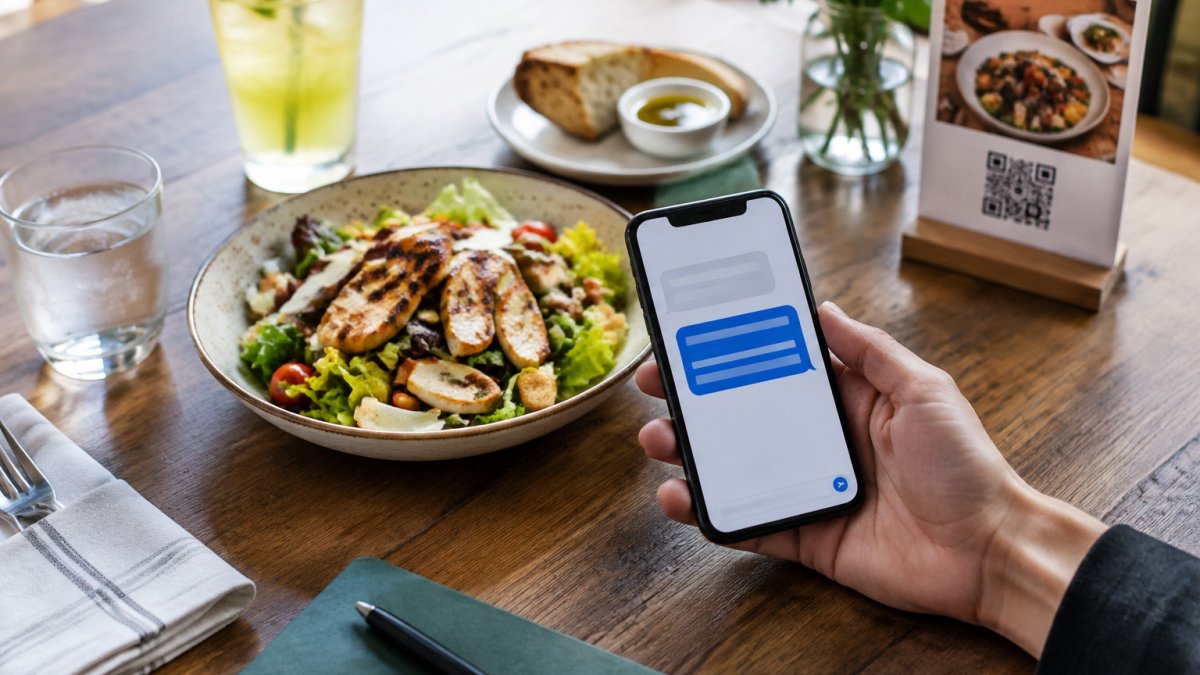
Most diners pick where to eat from their phones, and they usually start with a local search. Someone types a neighborhood name, a cuisine, and "open now," then scans the results. The restaurants that answer those searches with clear, useful pages tend to get the visit. The ones that don't rarely get a second look.
Local SEO content is the set of pages, posts and updates that help your restaurant show up for these searches, and building strong local SEO content is one of the most reliable ways to get found. It goes beyond your Google Business Profile.
We think of content as the part you control. Reviews and listings matter, but a steady stream of local content gives search engines and diners more reasons to find you. At The Regulars Club, we focus on the same goal: turning first-time visitors into people who come back and bring friends.
Local Keyword Research for Restaurants: Finding What Diners Actually Search
Start with the words diners use, not the words you use on your menu. A bistro may call its food "modern Mediterranean," but diners are more likely to search for "healthy lunch near me" or "date night downtown."
Build a short list by checking three sources: your own customer questions, your Google Business Profile insights, and the autocomplete suggestions that appear when you type your neighborhood and cuisine into search. Group the phrases by intent. Some diners want directions. Others want a menu. Others want a private room for a group.
Pick five to ten phrases to target first. Include your neighborhood in at least a few of them. Track how your pages rank for each one over time, then adjust.
For broader guidance on search intent and keyword research, Google's own Search Central documentation is a reliable reference Google Search Central guidance on search intent.
Restaurant Location Page SEO: Making Each Address Easy to Find
If you have more than one location, each one needs its own page. A single page listing every address forces search engines and diners to guess which branch they mean.
Each location page should include the full address, phone number, hours, a map embed, parking details, and the menu for that site. Use the same business name, address, and phone number you list on Google and other directories. Small differences, like "St." versus "Street," can confuse search systems.
Add a few details that only apply to that neighborhood. A note about the nearest transit stop or a short description of the dining room helps both diners and search engines understand the page. Keep the copy short and specific. A page that reads like a template rarely earns a visit.
Restaurant Blogging Ideas Tied to Your Neighborhood
A blog gives you a reason to publish new pages that match local searches. The best posts come from things that already happen around your restaurant, so you never have to invent a topic from scratch.
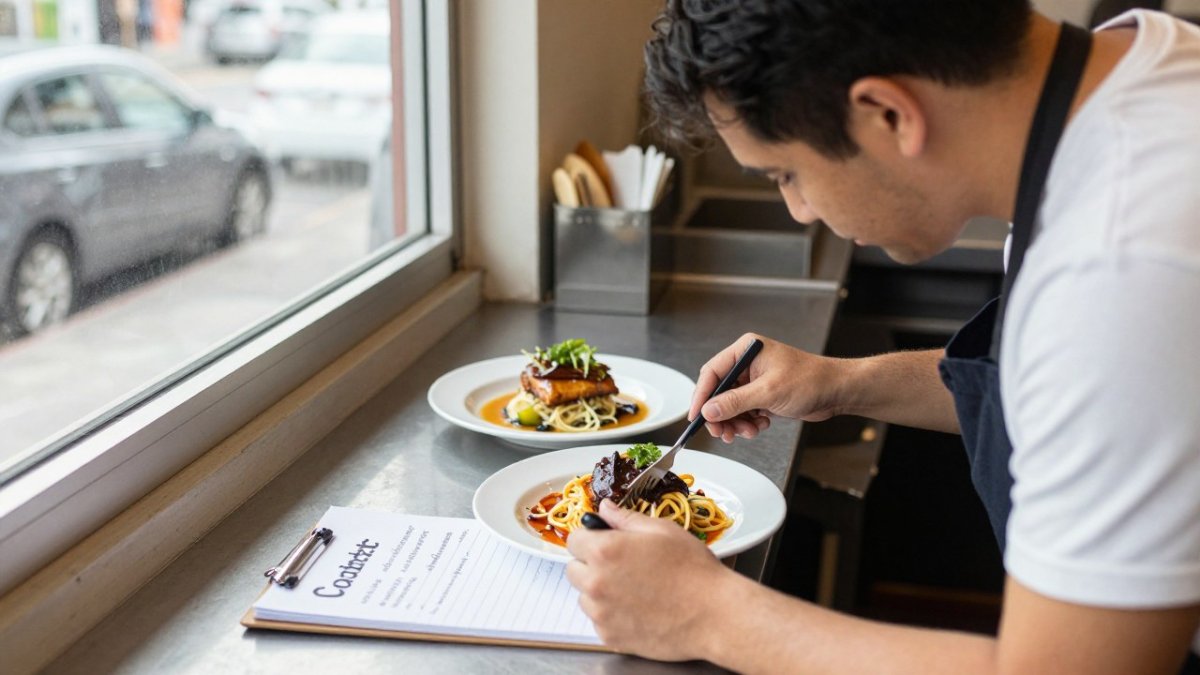
Start with a running list. Keep a note on your phone or a shared document and add to it every time a diner asks a question, a supplier drops off something new, or a neighborhood event lands on the calendar. Within a month you will have more ideas than you can publish.
Here are ideas that work for many restaurants:
- A guide to the best patio, park, or waterfront spots within walking distance of your door
- Profiles of local suppliers, farms, or bakeries you buy from, with a photo of the people who run them
- Stories about regulars and the dishes they order, told with their permission
- Explainers on neighborhood history tied to your building or block
- Recipes that use ingredients from nearby markets
- A "what's open late near [landmark]" post for the after-event crowd
- A first-timer's guide to your menu, written for someone who has never eaten your cuisine
- A roundup of free or low-cost things to do nearby before or after a meal
Each post should answer one clear question a local diner might ask. Link to the relevant menu item or location page where it makes sense, and use the neighborhood name in the headline and the first paragraph so the page has a clear local signal.
Seasonal and local event content calendar
Plan posts around the calendar so you are never staring at a blank page. The schedule below is a starting template, shift the months to match your climate and your local event season.
| Season or Event | Content Idea | Sample Headline | Target Search Example |
|---|---|---|---|
| Spring | Patio opening and new seasonal menu | "Our Patio Opens [Month]: What's New on the Menu" | "patio dining near me" |
| Summer | Farmers market produce highlights | "What We're Cooking With This Week From the [Market Name] Market" | "fresh local food downtown" |
| Fall | Harvest specials and local brewery pairings | "Fall Dinner Spots: [Dish] and [Local Brewery] Pairings" | "fall dinner spots" |
| Winter | Holiday group dining guide | "Where to Eat With a Group This Holiday Season" | "group dining near me" |
| Local festival | Festival-day hours and nearby parking | "Festival Day at [Restaurant]: Hours, Parking, and What to Order" | "restaurants near [event name]" |
| Back-to-school | Quick lunch for busy families | "Fast Weekday Lunch Near [School or Neighborhood]" | "quick lunch near me" |
| Game day | Watch-party food and drink | "Where to Watch the Game in [Neighborhood]" | "sports bar near me" |
Publish one or two posts per month. Consistency matters more than volume, and a post that goes live two weeks before the event will have time to rank. Build the calendar a quarter ahead so photos and supplier interviews can be scheduled around your busiest service days.
Watch out: publishing a festival post the morning of the event leaves no time for search engines to index it, so work at least two weeks ahead for anything tied to a fixed date.
For each post, add a short internal link to the matching location page and one to the menu. That keeps readers moving toward the pages that drive visits.
Restaurant Blog Post Examples You Can Adapt This Week
Here are three post outlines you can adapt. Replace the bracketed parts with your own details.
Example 1: Neighborhood guide "A Walking Guide to [Neighborhood] Dining: Five Spots Within Ten Minutes of [Your Restaurant]" Open with a short paragraph about why the neighborhood is worth exploring. Give one or two sentences per spot. End with your restaurant and what makes it different.
Example 2: Supplier story "Where Our [Dish Name] Comes From: A Visit to [Farm or Bakery Name]" Describe the visit, the people, and what you take from the ingredient. Add two or three photos.
Example 3: Diner question "What to Order at [Your Restaurant] If It's Your First Visit" Answer the question directly in the first two sentences. Then list three to five dishes with a sentence on each.
These take about an afternoon to write. Ask a team member to draft one, then edit it for your voice.
Matching Content to the Diner Journey and Measuring What Works
Diners move through stages, and each stage calls for a different kind of page. Match the content to the stage and you stop guessing which posts to write.
- Discovery. The diner is browsing: "best brunch in [area]," "new restaurants near me," "where to eat before [event]." Neighborhood guides, roundups, and seasonal posts fit here.
- Comparison. The diner is weighing options: "[your restaurant] menu," "[cuisine] near [landmark]," "[your restaurant] vs. [other spot]." Menu pages, photo galleries, and posts that explain what makes your food different fit here.
- Decision. The diner is ready to act: "[your restaurant] hours," "[your restaurant] directions," "[your restaurant] phone." Location pages, contact details, and parking notes fit here.
- Repeat visit. The diner already knows you: "[your restaurant] happy hour," "[your restaurant] specials." Loyalty and rewards pages, plus posts about new menu items, fit here. Restaurant loyalty programs such as Restaurant Customer Loyalty Program are a natural fit for this stage, since they give regulars a reason to keep coming back.
Write down which stage each post serves before you publish it. A post with no clear stage usually has no clear reader.
Measuring what each post actually does
Most restaurants publish and never look back. A simple monthly review fixes that. In Google Business Profile insights and your site analytics, pull these numbers for each post and each location page:
- Organic sessions landing on the page
- Direction requests and calls from Google Business Profile in the weeks after publishing
- Menu page views that follow a visit to the post
- Clicks on your phone number or address
- Average time on page and scroll depth
Compare the numbers across posts rather than against an industry benchmark. A neighborhood guide that drives direction requests is doing its job even if it gets fewer page views than a recipe post. Drop topics that bring visits nobody acts on, and write more of what brings people through the door.
A common pattern is to tag each post with a UTM parameter on any link you share on social media, so you can separate social traffic from organic search traffic in your analytics.
Watch out: judging a post in the first week can mislead you, so review performance at 30 and 90 days before deciding to cut a topic.
Keep a one-page log with the post title, publish date, target phrase, and the numbers above. After a quarter you will see which content types earn their keep, and the next quarter's calendar writes itself.
Starting Your Local Content Plan with The Regulars Club
Pick one location page to fix this week, write one neighborhood post this month, and set a simple calendar for the next quarter. Small, steady work tends to beat a big launch that fades after a month.
Once diners find you, the next step is keeping them. The Regulars Club is a restaurant membership and loyalty platform that connects diners with local restaurants through member-only perks, discounts, and monthly rewards. Restaurants can offer their own deals and add them to their existing POS as coupon buttons, so there's no new system to learn. Visit The Regulars Club membership page to see how it could fit your plan.
Frequently Asked Questions
What local SEO content should a restaurant publish?
Start with content that answers questions diners already ask near you: menu pages with dietary notes, location pages with parking and hours, and blog posts about local events, seasonal ingredients, or neighborhood partners. Each piece should name your neighborhood naturally and link to the relevant location page. Publishing a few useful pages consistently beats posting many thin ones.
How can a restaurant blog attract nearby diners?
Write about things only people in your area care about, such as a local farmers market you buy from, a nearby festival, or a team member who grew up in the neighborhood. Include clear calls to action like hours, a map link, and a way to join your member list. Share each post on Google Business Profile and social channels where local followers already engage.
What should a restaurant include on its location pages?
Include the full name, address, and phone number exactly as listed on your Google Business Profile, plus hours, a map embed, parking details, and a current menu link. Add photos of the dining room and exterior, and a short paragraph describing the neighborhood. Keep the information identical across every listing so search engines can match your business confidently.
How often should a restaurant publish local SEO content?
Most small restaurant teams can sustain two to four useful posts per month alongside regular Google Business Profile updates. Choose a schedule you can keep for a year rather than a burst you cannot maintain. Track which posts bring visits or direction requests, and do more of what works.