 how-to
How to Increase Restaurant Repeat Business: 7 Proven Strategies
Table of Contents
- Why Repeat Business Matters for Your Restaurant
- Build a Loyalty Program That Drives Return Visits
- Create Personalized Offers and Targeted Incentives
- Restaurant Customer Retention Strategies That Work
- Restaurant Customer Re-engagement: Win Back Inactive Diners
- Track Restaurant Customer Retention Metrics That Matter
- Your 30-60-90 Day Plan to Increase Repeat Business
- Frequently Asked Questions
Last Updated: October 7, 2026
Why Repeat Business Matters for Your Restaurant
The difference between a restaurant that survives and one that thrives often comes down to one metric: repeat customers.
Most owners focus on acquiring new customers, but bringing back an existing one costs far less than converting a stranger.
At The Regulars Club, we help independent restaurants turn occasional diners into loyal patrons through recognition and rewards.
Build a Loyalty Program That Drives Return Visits
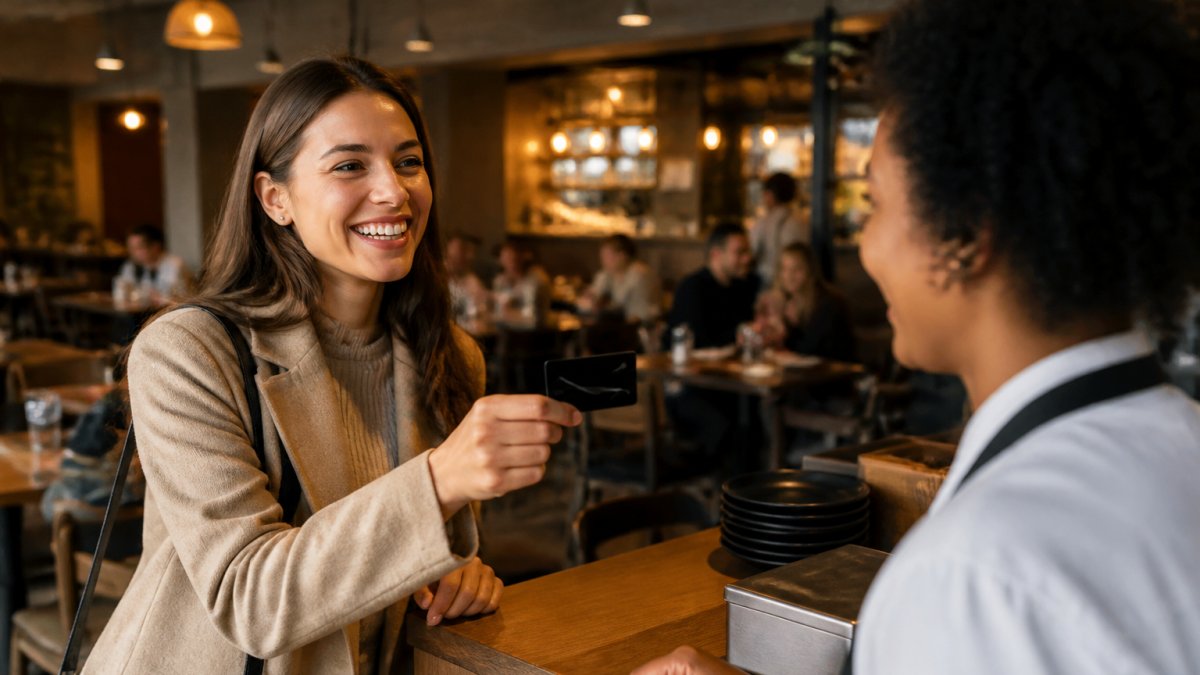
A loyalty program is the foundation of repeat business. It signals that you notice customers and want them back.
The best programs are simple to join, deliver real value, and reward repeat visits.
Points-based systems work because they're easy to understand.
Monthly rewards and exclusive offers create urgency.
The Regulars Club makes this simple. A Restaurant Customer Loyalty Program removes the friction between wanting to reward guests and actually doing it.
Create Personalized Offers and Targeted Incentives
Generic discounts don't build loyalty; personalized offers do. But personalization only pays off when each offer ties to a behavior you want to change and you can measure whether it created a new visit or simply discounted one that was going to happen anyway.
Segment guests on behavior, not demographics, behavior tells you what they'll do next. Four segments do most of the work:
- Regulars (roughly 8+ visits a year): These guests already chose you. Don't discount them. Reward recognition instead, a comped dessert, a first taste of a new dish, a table they prefer. Discounting your best guests trains them to wait for a deal.
- Occasion guests (birthdays, anniversaries, celebrations): They visit rarely but spend heavily. Capture the occasion date and send a reminder a week before. A free celebration dessert lands better than a percentage off.
- Lapsed guests (no visit in 60-120 days): They liked you once. A specific, time-boxed reason to return works better than a generic coupon. "New fall menu, first entrée half off through Sunday" beats "20% off."
- One-time guests: They tried you and didn't come back. Before you spend on an incentive, find out why. A short post-visit survey often reveals an operational problem a discount can't fix.
Discounts vs. non-discount rewards: run the math
Every promotion has a cost. A 20% discount on a $60 check gives away $12 of margin; a free appetizer that costs $3 in food cost gives away $3.
Before you launch any offer, answer three questions:
- What is the incremental visit? Would this guest have come anyway? If yes, the offer is pure margin loss. Target guests whose behavior you're trying to change, not those already loyal.
- What is the redemption rate? High redemption on a discount can mean you're subsidizing visits that were already happening. Moderate redemption on a non-discount reward often signals genuine pull.
- What is the margin impact per redeemed offer? Multiply the per-offer cost by expected redemptions. If the promotion costs more than the incremental margin it generates, it's a marketing expense, not a growth lever.
A common pattern among independent operators: shift the mix toward non-discount rewards (free items, upgrades, experiences) and reserve deep discounts for lapsed guests. Track redemption and repeat rate by offer type to see which format actually moves visits.
Timing and channel matter as much as the offer
Send offers when guests are deciding where to eat, not when they're already full.
Match the channel to the segment: email for lapsed guests and occasion reminders, SMS for time-sensitive offers, and loyalty-program messaging for regulars who already engage with your brand.
Personalize offers to order history where you can. A regular who always orders the salmon doesn't need a burger coupon, they need a reason to try your new salmon prep.
Restaurant Customer Retention Strategies That Work
Retention isn't just about rewards. It's about experience, consistency, and making guests feel like insiders.
Email Marketing for Guest Re-engagement
Email is the most direct way to reach inactive guests. A simple "We've missed you" can bring back someone who hasn't visited in months.
Build your email list from day one. Capture names and email addresses at the host stand, through your POS, or via your loyalty program.
Then segment by behavior. Guests who haven't visited in 30 days get a different message than those at 90 days.
Effective re-engagement emails:
- Mention their favorite dish or order history
- Offer a time-limited incentive (valid for 7 days only)
- Include your address, hours, and a direct call-to-action
- Keep it short, three sentences maximum
Gather and Act on Customer Feedback
Feedback tells you what's working and what's driving guests away.
Use simple surveys. A one-question email, "How was your visit?", gets higher response rates than a ten-question form.
Monitor online reviews and respond to every one. A response to a negative review shows you care.
Table-side feedback works too.
Most importantly, close the loop. When a guest complains about slow service, fix it and tell them.
Restaurant Customer Re-engagement: Win Back Inactive Diners
Inactive guests aren't lost forever. They're dormant, and the reason they went dormant determines whether you can win them back. Treating every lapsed guest the same is why most win-back campaigns underperform.
Diagnose why they left before you send anything
Split your lapsed list into three buckets, because each needs a different message:
- Drifted away (no complaint, no bad visit): Life got busy, a new restaurant opened nearby, or they simply forgot. These guests respond well to a friendly reminder with a specific reason to return, a new menu, a seasonal special, a limited-time reward.
- Bad experience (complaint, poor review, unresolved issue): A discount won't fix this. These guests need acknowledgment and a genuine fix. If you know what went wrong, say so directly: "We heard the wait was too long on your last visit. We've added a second line cook on weekends, come see the difference." Specificity signals you actually changed something.
- Price-driven (left for a cheaper option): These guests are the hardest to win back profitably. A deep discount may bring them in once, but they'll leave again. Either accept the churn or offer a value-based reason to return (a bundled meal, a happy-hour window) rather than a straight price cut.
Build a win-back sequence, not a single email
One message rarely reactivates a dormant guest. A short sequence does. A common pattern:
- Day 60 of inactivity: Soft reminder. "We haven't seen you in a while, here's what's new." No discount yet. This catches drifted-away guests who just needed a nudge.
- Day 90: Add a specific incentive. A time-boxed offer (valid 7 days) with a clear reason to return. This is where price-sensitive guests re-engage.
- Day 120: Stronger offer or a personal touch. A direct message referencing their order history, or a higher-value reward. This is your last low-cost attempt before the guest is effectively gone.
- Day 180+: Move to a low-frequency nurture list. Occasional seasonal messages, no aggressive offers. Some guests return on their own timeline.
Track reactivation rate by sequence step so you know where the drop-off happens. If step 2 converts well but step 3 doesn't, your step 3 offer is too weak, or the guests who reach step 3 were never coming back.
Match the channel to the guest
Email is the workhorse for win-back, cheap, measurable, and easy to segment. But email alone leaves recovery on the table:
- SMS for time-sensitive win-backs. A same-week offer with a clear deadline outperforms an email that sits unopened.
- Direct mail still works for high-value lapsed guests in some markets, especially occasion-driven restaurants. It's expensive per contact, so reserve it for guests with high lifetime value.
- In-person recovery for guests who complained. A manager follow-up, a phone call or a personal note, converts a bad experience into a loyalty story more reliably than any automated message.
Close the operational loop
Win-back campaigns fail when the underlying problem is still there. If guests left because of slow service, cold food, or order errors, no offer will keep them. Before scaling a win-back sequence, fix the operational issue that drove the churn, then tell returning guests what changed. Guests who see a real fix become your most vocal advocates, and they're far cheaper to keep than to reacquire.
National Restaurant Association industry insights
Track Restaurant Customer Retention Metrics That Matter
You can't improve what you don't measure.
Repeat Visit Rate: What percentage of guests return within 90 days?
Visit Frequency: How often does your average guest visit per year?
Email Engagement: What percentage of your email list opens your messages?
Average Order Value: Do loyalty members spend more per visit than non-members?
Review these metrics monthly. If repeat visits are declining, act fast.
Your 30-60-90 Day Plan to Increase Repeat Business
Implementation doesn't require months of planning. Start now with this roadmap.
Days 1-30: Foundation
Launch your loyalty program. Get the basics in place:
- Set up a simple points system (1 point per dollar spent)
- Create your first reward tier (200 points = free appetizer)
- Capture email addresses at checkout
- Train staff to mention the program to every guest
Goal: 50-100 members signed up. Minimal effort, immediate foundation.
Days 31-60: Engagement
Build your email list and start re-engagement campaigns:
- Email your full customer database with a "join our loyalty program" invitation
- Segment your guest list by visit frequency
- Send your first targeted email to inactive guests (60+ days since last visit)
- Add seasonal specials or limited-time member offers
- Collect feedback via simple post-visit surveys
Goal: 200+ members. First re-engagement emails sent. Early wins on bringing back inactive guests.
Days 61-90: Optimization
Refine based on what's working:
- Analyze which offers drive the most visits
- Increase frequency of high-performing email campaigns
- Adjust rewards based on what members actually redeem
- Test new incentives (BOGO offers, birthday specials, referral bonuses)
- Measure repeat visit rate and customer lifetime value
Goal: 300+ members. 25%+ of inactive guests returning. Clear data on what works.
This isn't a one-time project. It's the start of a system that compounds. After 90 days, you'll have momentum, data, and a growing base of loyal regulars.
Increasing repeat business is the most reliable path to sustainable restaurant growth. A Restaurant Membership Program handles the technical side, loyalty tracking, email automation, member management, so you can focus on delivering great food and service to guests who keep coming back.
National Restaurant Association industry insights
Cornell Hospitality Report on customer retention
Small Business Administration guidance on customer loyalty
Frequently Asked Questions
How can restaurants increase repeat business quickly?
The fastest way to increase restaurant repeat business is to implement a loyalty program that rewards customers immediately for their first visit. Combine this with personalized email follow-ups within 48 hours of their visit, targeted offers based on what they ordered, and consistent service quality. Most restaurants see measurable repeat visits within 30-45 days of launching these tactics together. Focus on making it effortless for customers to join and redeem rewards.
What restaurant customer retention strategies actually work?
The most effective restaurant customer retention strategies combine three elements: a loyalty program that delivers real value, personalized communication based on guest preferences, and consistent execution of your brand promise. Track your repeat visit rate and average order value to measure what's working. Restaurants that segment their customers by visit frequency and dining preferences and tailor offers accordingly see 25-40% higher retention rates than those using generic promotions.
How do you measure repeat business success?
Track your repeat customer retention rate (percentage of customers who return within 90 days), visit frequency (average visits per customer per year), and customer lifetime value. Compare these metrics month-to-month and year-over-year. Also monitor your email engagement rate, loyalty program redemption rate, and average order value. These restaurant customer retention metrics tell you whether your strategies are actually converting first-time guests into regulars.
What's the difference between a loyalty program and rewards?
A loyalty program is the overall system that encourages repeat visits (membership, points, tiers, exclusive access). Rewards are the specific benefits customers earn (discounts, free items, special pricing). A strong restaurant loyalty program combines both: members earn points on every visit, redeem them for rewards, and receive exclusive member-only offers. This structure gives customers multiple reasons to return and makes them feel valued.