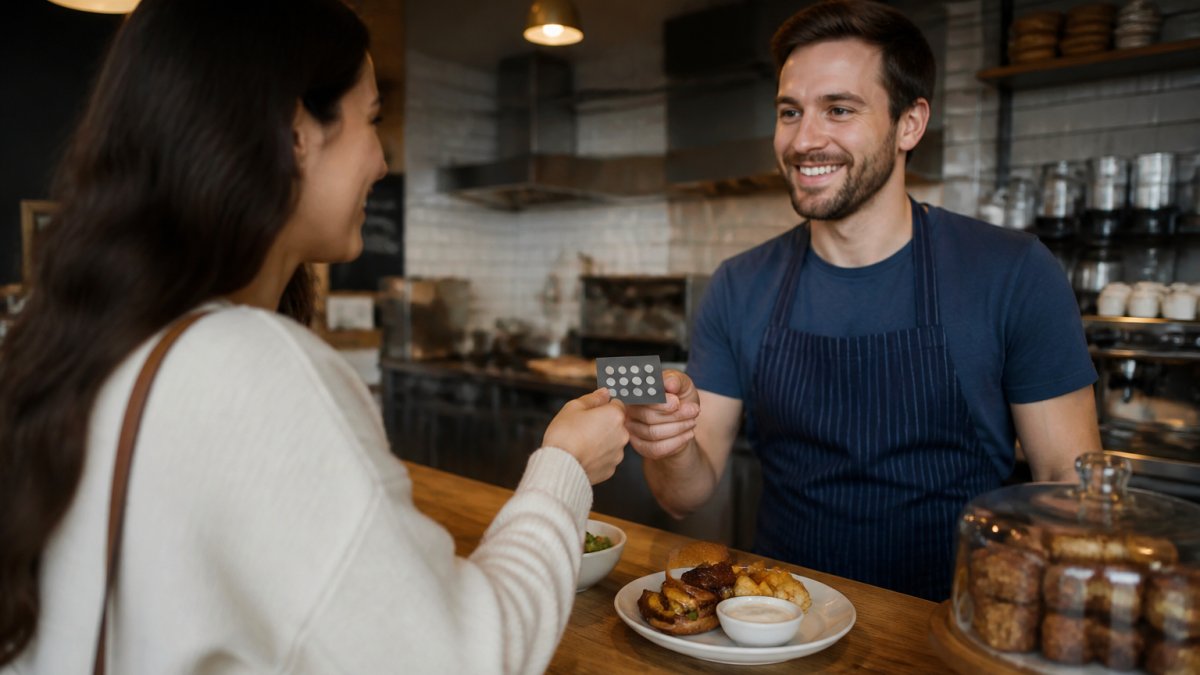
 listicle
7 Loyalty Programs for Small Restaurants in 2026
Table of Contents
- Why Loyalty Programs Matter for Small Restaurants
- Quick Comparison Table
- 1. The Regulars Club: Membership-Based Local Dining
- 2. Square Loyalty: POS-Integrated Points System
- 3. LoyaltyPass: Standalone Rewards Platform
- 4. Talon.One: Advanced Customization Engine
- 5. BonusQR: Simple QR-Code Loyalty
- Restaurant Loyalty Program Ideas to Boost Repeat Visits
- Frequently Asked Questions
Last Updated: October 2, 2026
Why Loyalty Programs Matter for Small Restaurants
Building a loyal customer base through loyalty programs for small restaurants is the difference between a restaurant that survives and one that thrives.
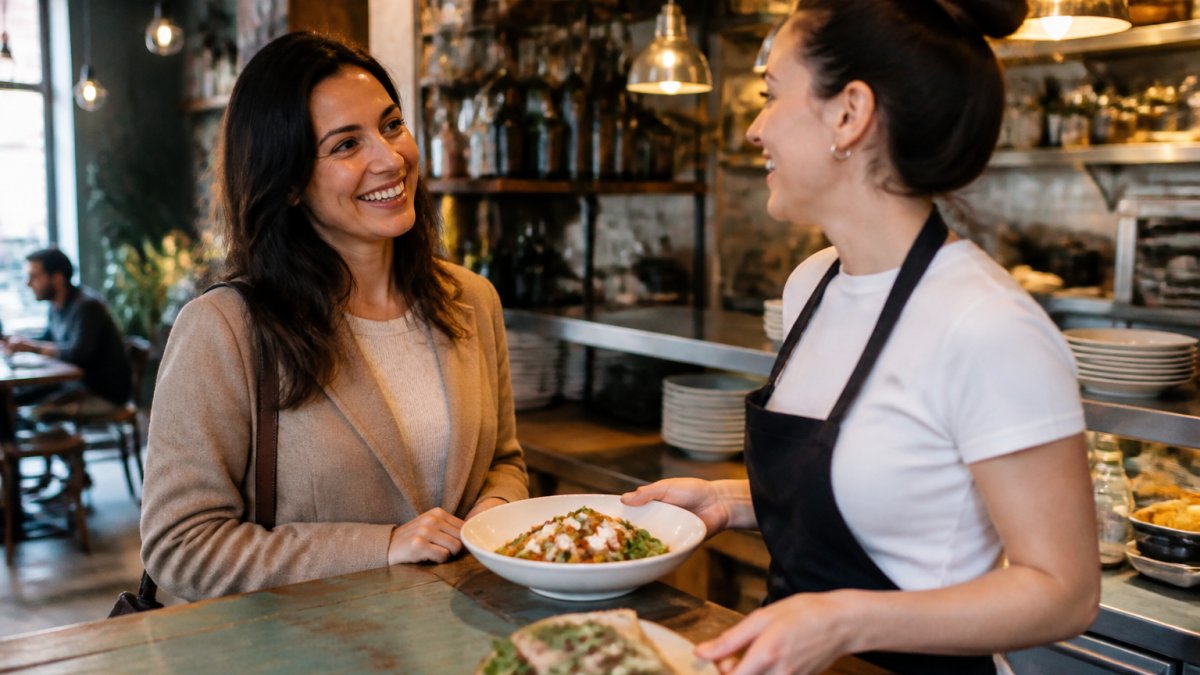
The challenge most small restaurant owners face isn't attracting new customers, it's keeping them coming back. Without a structured way to recognize and reward repeat visits, your best customers feel invisible.
Loyalty programs also give you something competitors often lack: direct customer data. You learn what your regulars order, when they visit, and what offers actually drive repeat business. That insight lets you make smarter decisions about menu items, staffing, and marketing.
But here's what most articles skip: the operational reality. Loyalty programs only work if your staff actually enrolls customers.
This guide addresses those gaps. We'll cover not just which platforms work, but how to get your team on board, and which solutions work for restaurants that can't afford enterprise software or complex integrations.
Quick Comparison Table
| Program | Best For | Key Strength | Friction Level |
|---|---|---|---|
| The Regulars Club | Independent restaurants seeking membership model | Membership-based access, no POS replacement needed | Very low, show membership only |
| Square Loyalty | Restaurants already using Square POS | Seamless integration, points at checkout | Low, phone number entry only |
| LoyaltyPass | Standalone loyalty needs with analytics focus | Detailed customer behavior tracking | Medium, requires separate platform |
| Talon.One | Growing restaurant groups needing advanced rules | Highly customizable reward logic | High, requires technical setup |
| BonusQR | Quick-service restaurants and cafes | Zero app friction, QR code scanning | Very low, scan and earn |
1. The Regulars Club: Membership-Based Local Dining
The Restaurant Membership Program through The Regulars Club is built specifically for independent restaurants and diners who want to support local. Members get exclusive access to participating restaurants' best offers, BOGO deals, free appetizers, monthly specials, simply by showing their active membership. For restaurants, it's a straightforward way to increase repeat visits and build recurring revenue without replacing your existing POS system.
What makes this approach different is the membership model itself. Members are actively choosing to join a community of local restaurant supporters. That psychological commitment alone increases visit frequency. Unlike points programs where customers forget to redeem or chase arbitrary thresholds, The Regulars Club members know exactly what they're getting: exclusive perks at their favorite neighborhood spots.
The setup is straightforward. Restaurants create their own offers directly in the platform, no coding required. These discounts integrate into your POS as coupon buttons for easy redemption at checkout. Your staff doesn't need special training; they just apply the discount like any other promotion.
For diners, the value proposition is clear: membership unlocks deals you can't get anywhere else, and you're supporting local restaurants. The Regulars Club handles member discovery and marketing, bringing new customers to participating restaurants.
2. Square Loyalty: POS-Integrated Points System
Square Loyalty works seamlessly if you're already using Square for payments. Customers earn points on every transaction by providing their phone number at checkout (Customer Loyalty Program Software). It's frictionless for repeat visitors, after the first visit, the system recognizes them automatically.
The platform integrates directly with your Square POS, so there's no separate login or complex setup. Automated email campaigns can remind lapsed customers about their accumulated points and encourage them back with targeted offers. You can customize the program branding and set your own points-to-reward ratios.
The main tradeoff: pricing scales based on loyalty visit volume. As your program grows and more customers earn rewards, your costs increase. Also, the feature set is basic compared to standalone loyalty platforms, you're getting POS integration as the primary advantage.
Best suited for restaurants already invested in the Square ecosystem who want loyalty functionality without a separate platform.
3. LoyaltyPass: Standalone Rewards Platform
LoyaltyPass is a dedicated loyalty software built specifically for restaurants. It handles everything: customer enrollment, reward tracking, behavioral analytics, and promotional messaging.
The strength here is specialization. LoyaltyPass understands restaurant-specific loyalty challenges, menu item incentives, off-peak promotions, seasonal offers. The analytics dashboard shows you exactly which rewards drive repeat visits and which ones customers ignore.
The tradeoff is complexity. LoyaltyPass requires a separate platform separate from your POS, so there's integration work and staff training involved.
This works well for restaurants that have outgrown simple points programs and want deeper insights into customer behavior and program performance.
4. Talon.One: Advanced Customization Engine
Talon.One is built for restaurants that need highly flexible, rule-based loyalty logic. You can create complex reward scenarios: spend X amount on Y menu items during Z times and earn double points. Combine that with tiered status levels, seasonal campaigns, and multi-location coordination.
The platform uses an API-first architecture, so if you have a developer on staff or can hire one, you can integrate it deeply with your systems. Real-time fraud detection protects against gaming the system.
The downside is steep. This is enterprise-grade software with a learning curve. If you're a solo operator or small team without technical resources, Talon.One will feel overwhelming. Setup requires real implementation effort and ongoing management.
Best for restaurants with 5+ locations or complex operational needs where standard loyalty programs fall short.
5. BonusQR: Simple QR-Code Loyalty
BonusQR strips loyalty down to its simplest form: scan a QR code, earn a reward. No app download required. No phone number entry. No friction.
Customers scan the QR code at the table or counter with their phone camera (Customer Loyalty Company, Guide, Examples & Setup). The system records the visit and tracks points. When they've earned enough, they redeem directly on the spot. The whole interaction takes 10 seconds.
This extreme simplicity is both the strength and the limitation. Enrollment barriers are nearly zero, so participation rates tend to be high. But the platform lacks advanced marketing automation. You can't send targeted email campaigns or segment customers by behavior. It's rewards tracking, not a full loyalty ecosystem.
Works best for quick-service restaurants, cafes, and casual spots where customers value speed and simplicity over sophisticated personalization.
Restaurant Loyalty Program Ideas to Boost Repeat Visits
Beyond choosing a platform, the loyalty program structure itself determines success. Here are practical approaches that work:
Point-based systems reward every purchase with points toward a free item or discount. Simple, transparent, and customers understand the math immediately. The downside: they work best for higher-ticket restaurants where points accumulate quickly. At a cafe where the average check is $8, customers need many visits to reach a meaningful reward.
Tiered membership creates status levels, bronze, silver, gold, with escalating benefits. Customers feel progression and work toward higher tiers.
Frequency-based rewards are simpler: every 10th visit is free, or visit 5 times this month and get 20% off. No points to track. No math.
Menu-specific incentives reward customers for trying new items or ordering during slow periods. "Order our new appetizer and earn double points" drives trial.
Referral bonuses turn your best customers into marketers. Give existing members points for bringing friends. Give the new customer a discount on their first visit.
The strongest programs combine multiple approaches. You might have a base point system, tiered status levels, and seasonal menu-specific bonuses running simultaneously.
Getting Your Staff to Actually Enroll Customers
Here's the part most loyalty articles ignore: your program only works if your servers ask customers to join.
Make enrollment a point-of-sale habit, not a suggestion. Train your team to ask for enrollment the same way they ask "Dine in or takeout?" Build it into the checkout flow. If you're using Square Loyalty or a similar POS-integrated system, the enrollment prompt should appear on the payment screen automatically, your server doesn't have to remember. If you're using a standalone platform like a Restaurant Customer Loyalty Program or paper-based system, create a physical checklist or laminated card at the register that reminds staff to ask.
Start with your regulars. Don't launch the program and expect cold customers to sign up. Identify your 20-30 most frequent diners and enroll them personally.
Track enrollment metrics and celebrate wins. Tell your team how many customers enrolled last week. Recognize the server with the highest enrollment.
Provide ongoing reminders. Loyalty programs lose momentum if staff attention drifts.
Without this operational layer, even the best platform will underperform. The technology is only as effective as your team's execution.
Frequently Asked Questions
What is the best loyalty system for small restaurants?
The best loyalty program depends on your POS system, budget, and customer engagement goals. If you use Square, Square Loyalty integrates seamlessly. For standalone solutions, LoyaltyPass offers restaurant-specific features, while The Regulars Club provides a membership model that connects you to a network of diners seeking local dining perks. Evaluate based on ease of staff adoption, customer friction, and integration with your existing systems.
How do digital loyalty programs help increase restaurant repeat customers?
Digital loyalty programs encourage repeat visits by making rewards visible and easy to earn. Customers see their points accumulate in real time, and automated reminders notify them when they're close to redemption. Personalized offers based on dining history further incentivize return visits. Data analytics let you identify your most loyal customers and target them with special promotions, creating a cycle of increased customer lifetime value.
Are digital loyalty programs better than physical punch cards?
Digital programs typically outperform punch cards because they reduce friction, customers don't need to carry a card or worry about losing it. Digital systems enable automated marketing, behavior tracking, and real-time redemption, which punch cards cannot do. However, some customers still prefer the tactile simplicity of a card. The best approach often combines both: a digital option for tech-savvy diners and a physical card for those who prefer it.
How can I measure the ROI of a restaurant loyalty program?
Track customer acquisition cost, repeat visit frequency, and average transaction value before and after launch. Compare the cost of the loyalty software against increased revenue from repeat customers. Monitor redemption rates and customer lifetime value growth. Most loyalty platforms provide dashboards showing these metrics. A successful program typically shows an increase in repeat visit frequency, though results vary by implementation quality and staff training.