 how-to
Loyalty Programs for Cafes and Bakeries: A 2026 Guide
Last Updated: October 23, 2026
Quick Summary
Loyalty programs for cafes and bakeries give customers a reason to choose your shop over competitors, with 66% of consumers ordering more often from restaurants where they actively use a loyalty program. The best programs combine simplicity with rewards that feel achievable within 4-8 weeks, whether through punch cards, points, or tiered structures.
- An eight-stamp reward structure is completed 11.4% of the time, higher than alternative structures
- Digital punch cards eliminate lost cards and let you send targeted messages when customers near redemption
- Tiered rewards work well for bakeries since purchase frequency varies widely compared to coffee shops
- Program members visit 2x as often as non-members when the reward structure matches customer behavior
- Start with a soft launch for two weeks with regular customers before announcing officially
Table of Contents
- Why Loyalty Programs Matter for Cafes and Bakeries
- Coffee Shop Loyalty Program Ideas That Drive Repeat Visits
- Designing a Bakery Rewards Program That Customers Actually Use
- Digital Punch Card for Coffee Shops: Setup and Best Practices
- How to Start a Customer Loyalty Program: A Practical Launch Plan
- Reward Economics: Making Your Program Profitable
- Privacy, Data, and Customer Trust in Loyalty Programs
- Measuring Program Success: Key Metrics That Matter
- Conclusion
- Frequently Asked Questions
Why Loyalty Programs Matter for Cafes and Bakeries
Loyalty programs for cafes and bakeries aren't a luxury anymore, they're how independent shops survive. According to DoorDash for Merchants' 2026 Restaurant Industry Trends Report, 66% of consumers order more often from restaurants where they actively use a loyalty program. For cafes and bakeries competing against chains, that statistic is everything.
Most customers grab coffee wherever is closest in the moment. A loyalty program changes that equation, giving them a reason to choose your shop over the competitor three blocks away.
At The Regulars Club, we've watched independent cafes and bakeries transform their business with loyalty programs customers actually use. The difference comes down to making the reward feel worth the effort and keeping sign-up dead simple.
When a bakery or cafe commits to a real loyalty program, repeat visit frequency jumps. Customers who earn rewards come back more often, spend more per visit, and tell their friends.
Coffee Shop Loyalty Program Ideas That Drive Repeat Visits
The best coffee shop loyalty program ideas focus on one thing: making customers want to come back tomorrow.
Punch cards and stamp cards remain the simplest option. A customer gets their card stamped with each visit. After 10 stamps, they get a free coffee.
Points-based rewards work differently. Customers earn points per dollar spent, then redeem for drinks or food. This approach works best when your average transaction value varies widely.
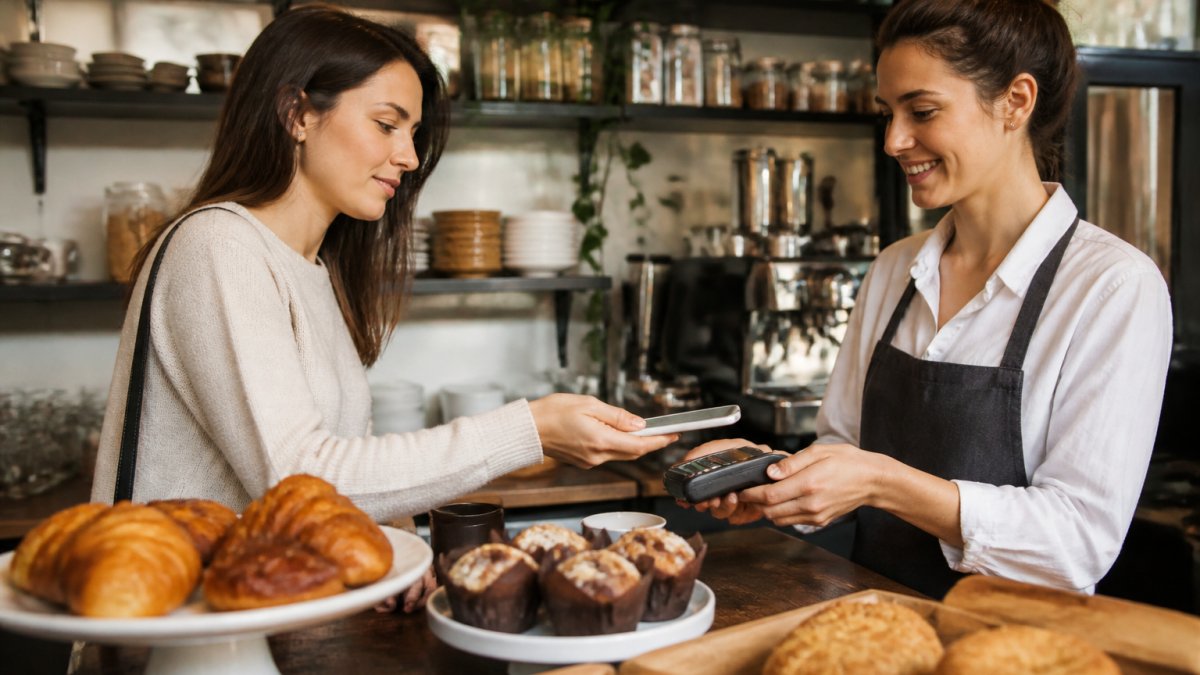
Digital punch cards solve the physical card problem: no lost or damaged cards, just a digital wallet pass or app notification. Customers track progress on their phone, and you can send targeted messages when they're close to redemption.
The best coffee shop loyalty program combines simplicity with surprise: a straightforward earn-and-redeem structure, plus occasional bonus point days or surprise rewards to keep engagement high. Explore loyalty program ideas tailored for small cafes and bakeries.
Designing a Bakery Rewards Program That Customers Actually Use
Bakery rewards programs need to account for one difference: purchase frequency varies wildly.
A regular coffee customer might visit five times a week. A bakery customer might come in twice a month for a special occasion. Your reward structure has to match that reality.
Tiered rewards work well for bakeries: a free pastry after five visits, a free loaf after ten, $10 off a bulk order after fifteen. This rewards loyal customers without making occasional visitors feel like they'll never reach a goal.
Spend-based rewards are another strong option: customers earn $1 in reward credit for every $10 spent, so a $30 box of pastries instantly shows $3 in credit. It feels immediate and valuable.
Seasonal rewards matter for bakeries. A free pumpkin spice pastry in October feels more valuable than a generic free pastry. Tie rewards to what you're actually selling.
According to Capital One Shopping's 2026 report, restaurants and cafes have an 8% customer participation rate in loyalty programs, the fourth-highest rate among categories studied. For bakeries specifically, participation rates tend to run even lower.
Digital Punch Card for Coffee Shops: Setup and Best Practices
A digital punch card system replaces the physical card with a mobile experience. Customers scan a QR code or pull up a digital wallet pass. Their punch registers instantly.
Setup starts with choosing your platform. You need software that integrates with your POS system, so a customer's digital card updates automatically with each purchase. No manual entry, no mistakes.
Make the digital card visible before purchase, not after. When a customer walks in, they should see how many punches they have and how close they are to a reward. That visibility drives behavior.
Push notifications work when used sparingly: send one when a customer is one punch from a reward, or when a reward is about to expire. One or two messages per week is the ceiling.
Here's the setup checklist:
- Choose a platform that connects to your POS
- Test the integration with a small group first
- Train staff on how to troubleshoot common issues
- Create a simple sign-up process at the register
- Set up one or two targeted notifications per week
The biggest mistake coffee shops make is overcomplicating the digital experience. Customers don't want an app with twelve features. They want to earn a free coffee with minimal friction.
How to Start a Customer Loyalty Program: A Practical Launch Plan
Step 1: Choose your reward structure. Decide between punch cards, points, tiered rewards, or a hybrid.
Step 2: Set your reward threshold. How many visits or how much spending before a customer gets a reward? For coffee shops, 10 visits is standard.
Step 3: Define your reward. Free coffee. Free pastry. $10 off. A buy-one-get-one deal. The reward should feel valuable to the customer while keeping your margins healthy.
Step 4: Choose physical or digital. Physical punch cards are cheap and need no technology; digital cards integrate with your POS and feel modern.
Step 5: Train your team. Staff need to know how to enroll customers, how to track progress, and how to process redemptions.
Step 6: Launch with a soft opening. Run the program for two weeks with just regular customers. Work out the bugs. Then announce it officially.
| Launch Step | Timeline | Key Action |
|---|---|---|
| Choose structure | Week 1 | Decide punch card vs. points |
| Set threshold | Week 1 | Define visits or spending goal |
| Define reward | Week 1 | Decide what customers earn |
| Pick platform | Week 2 | Select digital or physical |
| Train staff | Week 2 | 15-minute team meeting |
| Soft launch | Week 3-4 | Test with regular customers |
| Official launch | Week 5 | Announce to all customers |
Reward Economics: Making Your Program Profitable
This is where most cafes and bakeries get nervous. They think loyalty programs cost too much.
The math is actually simple. If you offer a free coffee after a certain number of visits, you've invested in generating repeat revenue.
Loyalty program customers also spend more per visit than non-members and are more likely to try higher-margin items. A customer earning rewards might buy a $3 coffee and a $4 pastry instead of just the coffee.
The real cost is not the free rewards. It's the operational overhead. You need software, staff training, and ongoing management.
The question isn't whether you can afford a loyalty program, but whether you can afford not to have one. A cafe that doesn't build loyalty loses customers to competitors every day.
Here's how to calculate your program's profitability: Learn more about calculating ROI for your loyalty program investment.
-
Calculate average customer lifetime value. How much does a typical customer spend over a year? Multiply visits per month by average spend per visit, then multiply by 12.
-
Estimate program costs. Software, training, and management time. Add this up monthly.
-
Measure repeat visit increase. Track how often program members visit versus non-members. The difference is your program's impact.
-
Calculate incremental revenue. (Repeat visit increase × average spend per visit × 12 months) minus program costs equals your ROI.
The program can pay for itself quickly.
Privacy, Data, and Customer Trust in Loyalty Programs
When you run a loyalty program, you collect customer data. Phone numbers. Email addresses. Purchase history. That data is valuable, but it comes with responsibility.
Customers need to know what you're collecting and why. Be transparent: explain that you're using their data to send special offers and rewards, not selling it or using it for anything creepy.
State privacy laws vary. It's important to treat all customer data like it's protected. Ask for permission before collecting it, store it securely, and give customers a way to opt out.
Even simple loyalty programs can have privacy implications worth thinking through.
The trust factor matters more than the legal requirement. Discover best practices for leveraging customer data ethically while building trust. Customers who feel their data is safe are more likely to join; customers who feel it's being misused will never trust you again.
Keep it simple:
- Ask permission before collecting data
- Explain what you'll use it for
- Send only relevant offers, not daily spam
- Let customers opt out anytime
- Store data securely
Measuring Program Success: Key Metrics That Matter
You can't improve what you don't measure. Track these metrics to know if your program is working.
Enrollment rate: What percentage of your customers have joined? For most cafes and bakeries, a solid enrollment rate indicates a compelling reward and a simple sign-up process.
Repeat visit frequency: How often do program members visit compared to non-members? This is the most important metric. If members visit 2x as often as non-members, your program is working.
Redemption rate: What percentage of members actually redeem their rewards? A healthy redemption rate indicates a well-balanced reward threshold.
Average order value: Do members spend more per visit than non-members? They should. If they don't, your program isn't moving the needle on spending behavior.
Here's how to track these metrics:
| Metric | How to Calculate | Target |
|---|---|---|
| Enrollment rate | Members ÷ Total customers × 100 | |
| Repeat visits | Member visit frequency ÷ Non-member visit frequency | |
| Redemption rate | Rewards redeemed ÷ Rewards earned × 100 | |
| Average order value | Total member spending ÷ Member transactions |
Review these metrics monthly. Learn how to calculate and track ROI metrics for your loyalty software. If enrollment is dropping, adjust your sign-up incentive.
The data tells you what to fix. Listen to it.
Conclusion
Building a loyalty program for your cafe or bakery isn't complicated. It's about giving customers a reason to choose you over the competitor next door. The simplest programs, punch cards, points, or tiered rewards, work best because customers understand them instantly.
The challenge most independent shops face is implementation and ongoing management. You need software that works with your POS. You need staff trained to enroll customers. You need a way to track what's working and what isn't.
A Restaurant Customer Loyalty Program solves this problem. Our platform lets you create a membership program that integrates directly with your POS, builds customer loyalty without replacing your existing systems, and tracks the metrics that prove your program's ROI. Your customers see exclusive member benefits and reasons to come back. You get the data and tools to turn occasional visitors into loyal regulars.
Start measuring your program's success today. The data will show you exactly where to focus next.
Frequently Asked Questions
What's the difference between points-based and punch card loyalty programs for cafes?
Points-based programs award customers a set number of points per dollar spent, which accumulate toward rewards like free drinks or discounts. Punch card programs reward one punch per visit or purchase, with a free item earned after a set number of punches. An eight-stamp reward structure can be completed relatively quickly, making it faster for customers to see results. Points programs offer more flexibility and personalization, while punch cards are simpler to understand and track visually.
How quickly does a loyalty program start driving repeat visits?
Customers who actively use a loyalty program order more often from participating restaurants. However, initial results depend on program design and promotion. Most cafes see measurable upticks in repeat visits within the first 30-60 days if they actively promote enrollment at checkout and highlight reward benefits. Success also depends on reward thresholds being achievable within a reasonable timeframe.
Can I integrate a loyalty program with my existing POS system?
Yes. Many modern loyalty solutions integrate directly with popular POS systems, allowing you to track purchases, issue rewards, and redeem offers without replacing your current setup. Integration simplifies operations by automating point calculations and customer data capture at checkout. Before selecting a program, verify compatibility with your specific POS platform to avoid manual workarounds that slow service and reduce adoption.
What rewards work best for bakery customers?
Free items, discounts on future purchases, and tiered rewards based on spending perform well in bakery settings. Bakery-specific rewards might include free pastries, dollar-off coupons, exclusive early access to seasonal items, or birthday specials. Combine low-cost rewards with occasional high-value incentives to maintain engagement. Track which rewards drive the most redemptions and adjust your program based on customer feedback and purchase data.