 blog
Restaurant Guest Engagement: 7 Proven Strategies
Table of Contents
- Why Restaurant Guest Engagement Matters
- Personalize the Dining Experience for Each Guest
- Collect and Act on Restaurant Customer Feedback Examples
- Build Loyalty with Restaurant Loyalty Program Benefits
- Amplify Reach with Restaurant Social Media Engagement Ideas
- Master Restaurant Guest Communication Best Practices
- Measure and Refine Your Engagement Strategy
- Frequently Asked Questions
Last Updated: October 17, 2026
Why Restaurant Guest Engagement Matters
Restaurant guest engagement turns occasional diners into loyal regulars. When guests feel recognized and valued, they spend more, visit more often, and tell their friends.
Engaged diners become advocates: they leave positive reviews, recommend the restaurant to friends, and become the foundation of recurring revenue.
Below are seven proven strategies you can implement today.
Personalize the Dining Experience for Each Guest
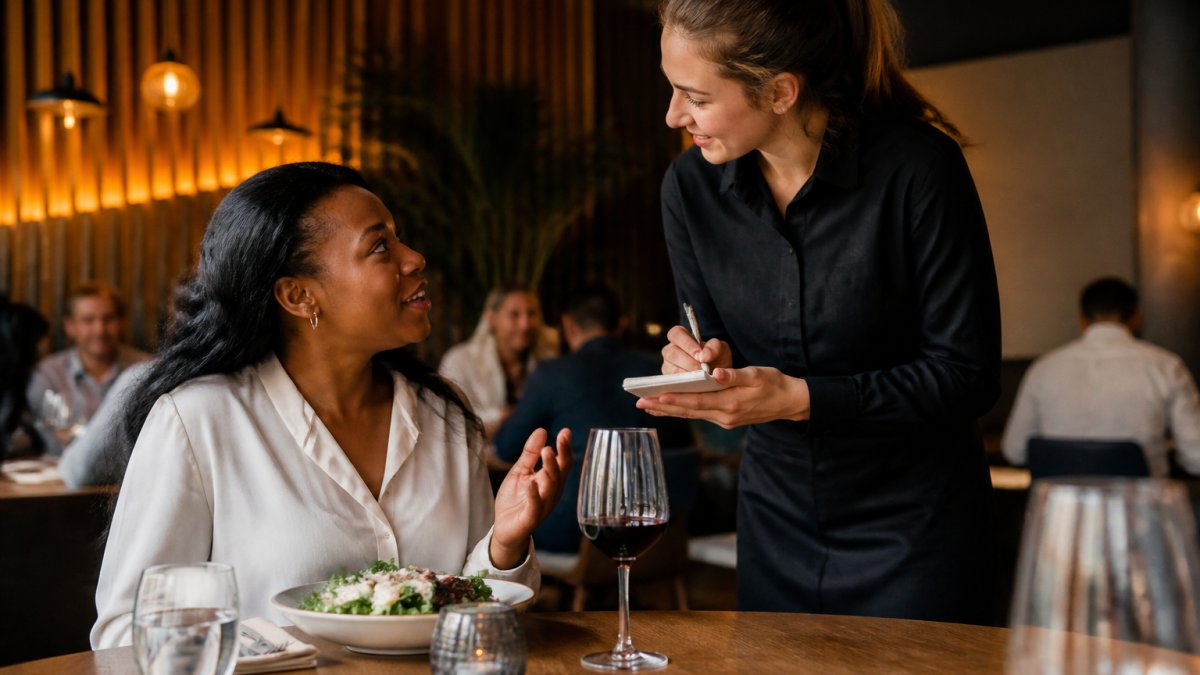
Personalization is the cornerstone of restaurant guest engagement. When guests feel a restaurant remembers their preferences, favorite table, usual drink order, and dietary restrictions, a transaction becomes a relationship.
Train staff to notice and record details: what regulars order, preferred tables, allergies. A simple note system helps new staff deliver the same personalized experience every visit.
Use your POS to track guest preferences. Many systems let you add notes to a customer profile, so staff can pull up history and greet guests with genuine recognition.
Adapt the experience to the occasion: a first-time visitor needs different engagement than a regular, and a birthday deserves special attention.
Key ways to personalize:
- Remember and use guest names
- Track favorite dishes and drinks
- Note dietary preferences and restrictions
- Recognize special occasions
- Offer menu recommendations based on past orders
- Adjust table placement for comfort preferences
Collect and Act on Restaurant Customer Feedback Examples
Feedback is the roadmap to improving guest engagement, but most restaurants collect far more than they use. A guest who answers a survey and sees nothing change learns their opinion doesn't matter; a guest who sees a suggestion become a menu item becomes a regular.
Build a feedback loop, not a feedback pile. Treat every piece of input as a ticket that moves through four stages: capture, triage, act, and close the loop. Assign one person, often a shift lead or general manager, to own the triage step so nothing sits unread.
Capture across the channels guests actually use. Receipt surveys catch in-the-moment reactions, table QR codes catch diners who skip forms, online reviews catch guests who want an audience, and direct conversation catches everyone else. Log all four in one place.
Use response templates so replies are fast and consistent. A positive reply thanks the guest by name, references the specific dish or experience, and invites them back. A negative reply acknowledges the concern without arguing, states what you're doing about it, and moves the conversation offline. Templates keep tone consistent and cut response time from days to hours.
Close the loop with the guest. When someone suggests a change and you make it, tell them. A short message, "You asked for a gluten-free dessert option, and it is on the menu this week," converts a passive survey-taker into an engaged advocate. This single step is the one most restaurants skip, and it is the one guests remember.
Measure whether feedback is working. Track review response time, reply rate, the number of feedback items that result in a change, and whether feedback givers return at a higher rate. A monthly review tells you whether your loop is actually closed.
Actions to take on feedback:
- Thank guests for their input by name and reference the specific detail they raised
- Log every item in one place so patterns are visible
- Triage weekly and assign an owner to each actionable item
- Implement menu or service changes based on repeated requests
- Respond to every online review within 24 to 48 hours using a consistent template
- Tell guests when their suggestion led to a change
- Share feedback themes with your team in pre-shift meetings
- Track response time, reply rate, and return rate of feedback givers
Build Loyalty with Restaurant Loyalty Program Benefits
A structured loyalty program transforms casual diners into committed regulars by rewarding guests for what they already do: visiting your restaurant.
Effective programs offer clear, meaningful rewards: free appetizers after five visits, birthday discounts, exclusive access to events or menu items, and monthly bonuses. Rewards should motivate repeat visits without eroding margins.
Make enrollment simple: guests should be able to join in under a minute at the host stand, through your website, or via an app.
Track member visits and rewards automatically through your POS. When a guest reaches a reward threshold, notify them immediately so they feel the benefit right away.
Consider tiered benefits. New members get basic rewards. Loyal members who visit frequently unlock premium perks. This structure incentivizes guests to increase their engagement over time.
A Restaurant Customer Loyalty Program built into your operations transforms how guests experience your restaurant. By automating rewards tracking and making membership frictionless, you free your team to focus on service while guests enjoy the recognition that turns them into true regulars.
Loyalty program elements that work:
- Clear, easy-to-understand reward structure
- Simple enrollment process
- Automatic tracking through your POS
- Meaningful rewards that feel valuable
- Tiered benefits for top guests
- Regular communication about member perks
- Exclusive experiences or menu items for members
Amplify Reach with Restaurant Social Media Engagement Ideas
A strong social media presence keeps your restaurant top-of-mind and gives guests reasons to visit.
Post consistently about what makes your restaurant special: signature dishes, your team's personalities, and behind-the-scenes moments. Guests connect with authenticity, not polished corporate messaging.
Engage directly: like and comment when someone tags your restaurant, and respond quickly to comments. This two-way conversation builds community.
Announce specials, new menu items, and events, and give followers exclusive previews or discounts to reward them and attract others.
Run simple contests asking followers to share their favorite dish or most memorable meal. User-generated content builds community and provides authentic marketing material.
Social media tactics that drive engagement:
- Post 3-4 times per week consistently
- Share behind-the-scenes content
- Respond to comments and tags
- Use local hashtags to reach nearby diners
- Feature guest photos and testimonials
- Announce specials and new menu items
- Run simple contests or challenges
- Tag local food bloggers and media
Master Restaurant Guest Communication Best Practices
Consistent, thoughtful communication keeps your restaurant connected to guests between visits without being pushy, respecting how each guest wants to hear from you.
Get consent first, and make it specific. Under rules enforced by the Federal Trade Commission, marketing text messages require prior express written consent, and email marketing must follow the CAN-SPAM Act, which requires a clear opt-out and honest subject lines.
Let guests choose their channel and frequency. A preference center, even a simple one, lets guests pick email, text, or neither, and how often they want to hear from you. Guests who choose their own cadence unsubscribe far less often than guests who are defaulted into daily messages.
Segment before you send. Blanket blasts train guests to ignore you. Segment by visit frequency, favorite dishes, dietary preferences, and past offer redemption: a vegetarian regular should get the vegetarian special, and a lapsed guest needs a different message than a weekly regular.
Use templates that sound human. A reactivation message can be short: "We have missed you, [name]. Your favorite [dish] is back on the menu this week, and we would love to see you." A birthday message should feel personal, not automated.
Time messages around the guest journey. A welcome after a first visit, a check-in after a third, a win-back after 60 to 90 days of inactivity, and a birthday message each serve a different purpose, making each feel relevant rather than random.
Measure and prune. Track open rate, click rate, opt-out rate, and redemption rate by segment. If a segment's opt-out rate climbs, reduce frequency or change the offer. A smaller list of engaged guests outperforms a large list of annoyed ones.
Communication channels and frequency:
- Email: weekly or bi-weekly, with a clear opt-out in every message
- Text: only with prior express written consent, for time-sensitive offers
- Social media: 3-4 posts per week
- In-person: every visit through personalized service
- Direct outreach: for VIP guests or special occasions, with a preference check
| Channel | Consent Requirement | Best Use | Watch Out For |
|---|---|---|---|
| Opt-in, CAN-SPAM compliant | Newsletters, menu updates | Ignoring opt-outs | |
| Text | Prior express written consent | Flash offers, reminders | Sending without consent |
| Social | Platform terms | Community, announcements | Overposting |
| In-person | None needed | Recognition, service | Inconsistency across staff |
Measure and Refine Your Engagement Strategy
To improve your restaurant guest engagement, track what's working and adjust what isn't.
Start with baseline metrics: average visit frequency, repeat customer rate, and loyalty program enrollment. These give you a starting point to measure progress.
Track engagement by channel: which messages drive the most visits, whether email outperforms social, and whether loyalty members spend more per visit. Allocate effort where it has the most impact.
Monitor guest satisfaction through reviews and feedback. Are your Net Promoter Score and online ratings improving? Are guests mentioning specific positive experiences in their reviews? These signals tell you whether your engagement efforts are resonating.
Review your data monthly. Look for trends. Identify which tactics drive repeat visits. Notice which guest segments are most engaged. Use these insights to refine your approach.
Metrics to track:
- Repeat customer rate
- Loyalty program enrollment and participation
- Average visit frequency
- Guest spend per visit
- Online review ratings and sentiment
- Email open and click rates
- Social media engagement (likes, comments, shares)
- Guest feedback themes
| Metric | How to Track | What It Tells You |
|---|---|---|
| Repeat rate | POS system or transaction data | Percentage of guests returning |
| Program enrollment | Loyalty program dashboard | Growth in committed members |
| Visit frequency | Monthly transaction data | How often regulars visit |
| Average spend | POS reporting | Revenue per guest trend |
| Review sentiment | Google, Yelp, social media | Guest satisfaction direction |
| Email engagement | Email platform analytics | Effectiveness of communications |
| Social reach | Platform insights | Audience growth and interaction |
Restaurant guest engagement drives everything: repeat visits, word-of-mouth growth, and sustainable revenue. The strategies above work because they address what guests actually want: recognition, value, and genuine connection to the places they love.
If you're ready to build a more engaged guest base, The Regulars Club makes it simple. Our Restaurant Membership Program connects your restaurant with loyal diners while rewarding guests with exclusive perks and benefits. Your team can manage member offers directly through your POS system, and guests enjoy the recognition and rewards that turn them into true regulars. Start building deeper guest relationships today.
Frequently Asked Questions
How can restaurants improve guest engagement without complicated technology?
Start with staff training on genuine hospitality: remembering guest names, dietary preferences, and favorite orders. Train servers to ask thoughtful questions and listen actively. Implement a simple loyalty program that rewards repeat visits and encourages guests to return. Use email or text to send personalized offers to past guests. These fundamentals work because they feel authentic and require only attention and consistency, not expensive systems.
What restaurant loyalty program benefits actually drive repeat visits?
Guests respond most to exclusive rewards tied to their spending: free items after a set number of visits, birthday discounts, early access to new menu items, or tiered benefits for frequent diners. Personalized offers based on past orders (like a discount on their favorite dish) outperform generic promotions. The most effective programs remove friction: one-tap redemption, no expiration dates, and clear communication about what members earn and when.
How do I know if my restaurant guest engagement strategy is working?
Track repeat visit rate (percentage of guests who return within 30, 60, or 90 days), average check size from returning guests, and redemption rates on loyalty offers. Monitor online review sentiment and response time to feedback. Compare revenue from repeat customers versus new customers. Set a baseline now, implement changes, and measure again after 60 days to see impact on retention and spending.
Can a membership program like The Regulars Club help with restaurant guest engagement?
Yes. A membership platform connects your restaurant with diners actively seeking local dining experiences and exclusive perks. Members see your offers, which drives foot traffic from engaged diners. The platform handles member discovery and redemption, so you can focus on delivering great hospitality. It integrates with your existing POS, making it simple to create and track member-only promotions without overhauling your operations.