 listicle
Is Gen Z Taking Over Restaurant Loyalty Programs in 2026?
Table of Contents
- Restaurant Loyalty Program Trends: The Gen Z Shift
- Gen Z Dining Habits: How They Differ From Millennials
- Mobile-First Expectations and the Frictionless Experience
- Digital Loyalty Rewards for Restaurants: What Actually Works
- Gamification, Social Sharing, and Values-Based Loyalty
- Customer Retention Strategies for Restaurants Built Around Gen Z
- Privacy, Personalization, and the Data Trade-Off
- Frequently Asked Questions
Last Updated: September 16, 2026
Restaurant Loyalty Program Trends: The Gen Z Shift
Gen Z diners are reshaping restaurant loyalty faster than most operators expected, and the shift is not just about age. It is about how younger customers define a fair exchange: they want recognition, speed, and values alignment in return for their data and their dollars. This guide from The Regulars Club breaks down what is actually changing in restaurant loyalty programs, why it matters for independent operators, and which strategies move the needle in 2026.
The core tension is simple. Older loyalty models rewarded volume: spend more, earn more points, redeem later. Gen Z treats that math as background noise. What they reward is a program that feels personal, works instantly on a phone, and reflects something about who they are.
Gen Z Dining Habits: How They Differ From Millennials
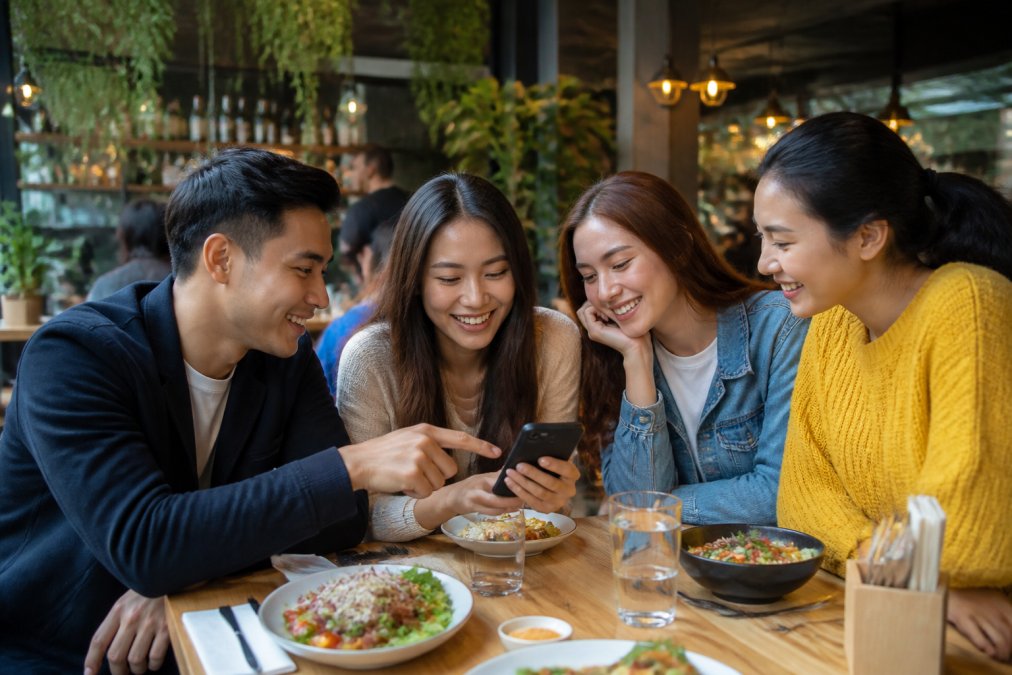
Gen Z dining habits differ from millennial patterns in three visible ways: they order and pay through phones by default, they treat food discovery as a social activity, and they weigh a restaurant's values alongside its menu. Where millennials built loyalty through repeat visits and punch cards, Gen Z builds it through digital engagement and shared experience.
A common mistake is assuming younger diners are simply cheaper. In practice, they are more selective. They will happily pay for an experience that feels worth talking about, then abandon a brand over a clunky app or a rewards program that never delivers.
- Discovery through social feeds, not search or traditional ads
- Split-second decisions driven by convenience and proximity
- Value-conscious spending that prioritizes deals, bundles, and member pricing
- Brand switching when a competitor offers a better digital experience
That last point is the one operators underestimate. Restaurant loyalty is no longer a one-way commitment. It is a live negotiation, renewed every visit.
Mobile-First Expectations and the Frictionless Experience
A mobile-first loyalty experience is one where joining, earning, and redeeming all happen on the diner's phone without an app download, a password reset, or a staff explanation. Gen Z expects the frictionless version. Anything slower reads as a reason not to return.
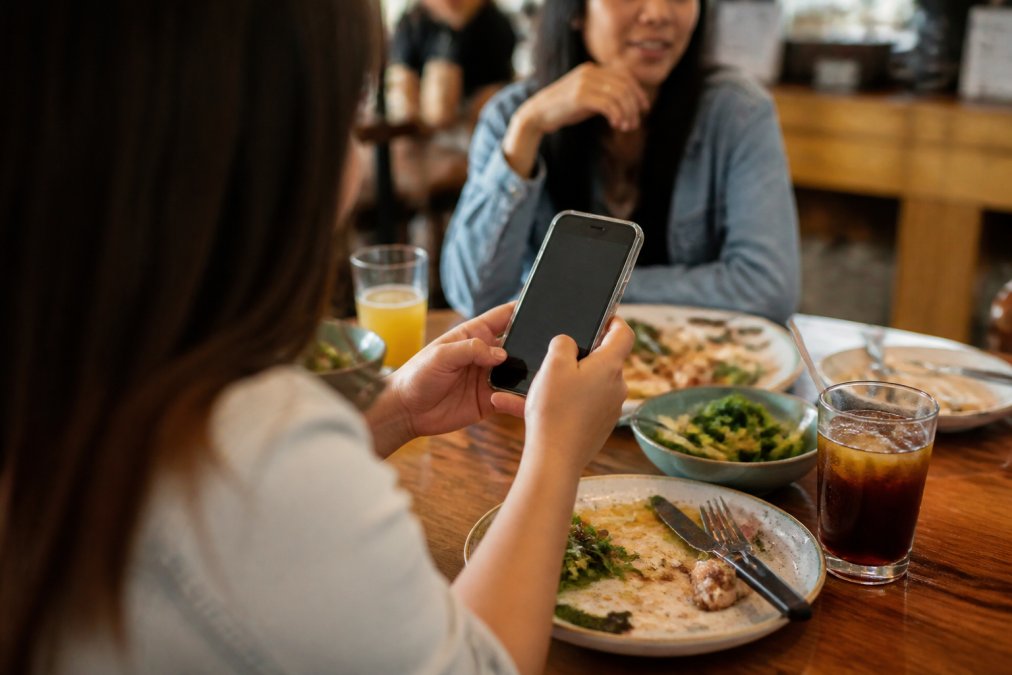
The thing nobody tells you about loyalty app adoption is that downloads are the wrong goal. Programs that force an app install lose a large share of interested diners at the first screen. Programs that let someone show an active membership and get the perk immediately keep the diner and the data.
For restaurant owners, this changes the technical requirement. The loyalty layer needs to sit on top of the existing POS, not replace it. Restaurants that add member discounts as coupon buttons inside their current system get redemption without retraining staff or rebuilding checkout.
Digital Loyalty Rewards for Restaurants: What Actually Works
Digital loyalty rewards for restaurants work when they are transactional, visible, and repeatable. The most effective structures in 2026 combine instant discounts, member-only offers, and recognition that shows the restaurant remembers the diner.
Here is how the common reward types compare for a local restaurant:
| Reward Type | How It Works | Best For | Effort to Run |
|---|---|---|---|
| Instant member discount | Show membership, get the deal | Driving first repeat visit | Low |
| BOGO and free item offers | Buy one, get one or free add-on | Filling slow nights | Low |
| Monthly recurring rewards | Perk refreshed each month | Building habit and return visits | Medium |
| Points or tiers | Earn and redeem over time | Higher-frequency regulars | High |
The pattern that holds up across independent restaurants is stacking a simple instant perk with a monthly reason to come back. One gets the visit. The other builds the habit.
Gamification, Social Sharing, and Values-Based Loyalty
Gamified rewards and social sharing are the two mechanics competitors cover least, and they are where Gen Z engagement is strongest. The reason is psychological rather than financial: a streak, a challenge, or a limited-time offer turns a transaction into something a diner wants to complete, and a shareable moment turns one visit into a discovery channel.
Here is how the core gamification mechanics actually work in a restaurant setting, and what each one costs you in operational effort:
| Mechanic | How It Works | Why It Lands With Gen Z | Effort to Run |
|---|---|---|---|
| Visit streaks | Reward every Nth consecutive visit within a window | Loss aversion, nobody wants to break a streak | Medium |
| Challenges | "Try three new menu items this month" | Completion drive and a reason to explore | Medium |
| Badges and tiers | Visible status for milestones | Identity signaling they can screenshot | Low |
| Limited-time drops | Perk available for a short window only | Urgency without a hard discount | Low |
| Referral loops | Both sides get a perk when a friend joins | Social proof baked into the reward | Low |
The pattern that works is pairing one habit mechanic (a streak or a monthly challenge) with one social mechanic (a referral or a shareable badge). Running all five at once overwhelms both the diner and the staff.
Social sharing deserves its own note because most programs treat it as an afterthought. A diner who posts a photo of a member-only dish is doing discovery work that no ad budget can buy. The practical way to encourage it is to make the perk itself visually interesting, a distinctive plate, a named menu item, a badge worth showing, and to keep the share step optional so it never feels like a toll booth on the way to the reward.
Values matter just as much, and this is where independent restaurants hold a structural advantage. Younger diners notice whether a program keeps money in the local economy or funnels it to a large chain, and they act on that preference. A loyalty program that visibly supports neighborhood restaurants is not just a perk, it is a statement the diner is choosing to make.
Customer Retention Strategies for Restaurants Built Around Gen Z
Customer retention strategies for restaurants now start with the first visit, not the tenth. The goal is to convert an occasional diner into a regular before a competitor gets the next chance.
- Make joining possible in under a minute
- Give a clear reason to return within 30 days
- Keep redemption to a single step at checkout
- Refresh the offer monthly so the perk stays worth checking
Privacy, Personalization, and the Data Trade-Off
Personalization in rewards programs only works if the data trade feels fair, and Gen Z is the first cohort to treat that trade as a conscious decision rather than a default. They will share preferences, visit history, and contact details when the return is obvious: better offers, faster service, and recognition they can feel. They will not share the same data for a generic email blast.
A practical sequence looks like this:
- At signup: a phone number or email, nothing more. Deliver the first perk immediately so the trade is settled in the diner's favor.
- After the second visit: one preference question, favorite category, dietary need, or preferred visit time, and reflect it in the next offer.
- After the fifth visit: invite a short survey or a birthday opt-in, framed around a specific reward rather than a general request.
Frequently Asked Questions
What do Gen Z diners value most in restaurant loyalty programs?
Gen Z diners prioritize speed, personalization, and real value over slow points accumulation. They want rewards they can use right away, like a free side or a discount on their next visit, rather than a punch card that takes months to fill. They also respond to programs that recognize their individual preferences and feel like a genuine perk, not a generic coupon. Restaurants that deliver instant, relevant rewards see stronger repeat visits from this group.
Why is Gen Z more likely to join restaurant loyalty programs than older generations?
Gen Z grew up with digital rewards baked into apps they already use, from coffee shops to delivery platforms. Signing up feels natural, not like a commitment. They are also value-conscious and actively look for ways to stretch their spending, so a loyalty program that delivers real savings gets their attention. Higher signup rates reflect both comfort with digital enrollment and a practical desire to get more from every dollar they spend eating out.
How are restaurant loyalty programs changing to attract younger customers?
Programs are moving away from rigid points systems toward flexible, experience-driven rewards. Restaurants are adding gamified challenges, social sharing incentives, and member-only perks that feel exclusive. Many are also integrating loyalty directly into their POS so redemption is instant and requires no extra app. The shift is toward recognition and relevance: making younger diners feel seen and rewarded in the moment, not after ten visits.
Do Gen Z consumers prefer digital or physical loyalty rewards?
Digital rewards win with Gen Z, but not because they dislike physical perks. The preference is about convenience. A reward that loads automatically when they pay, or that they can show on their phone in seconds, fits how they already move through the day. Physical punch cards get lost or forgotten. The key is removing friction: if redeeming a reward takes more than a moment, younger diners will skip it and the program loses its pull.